

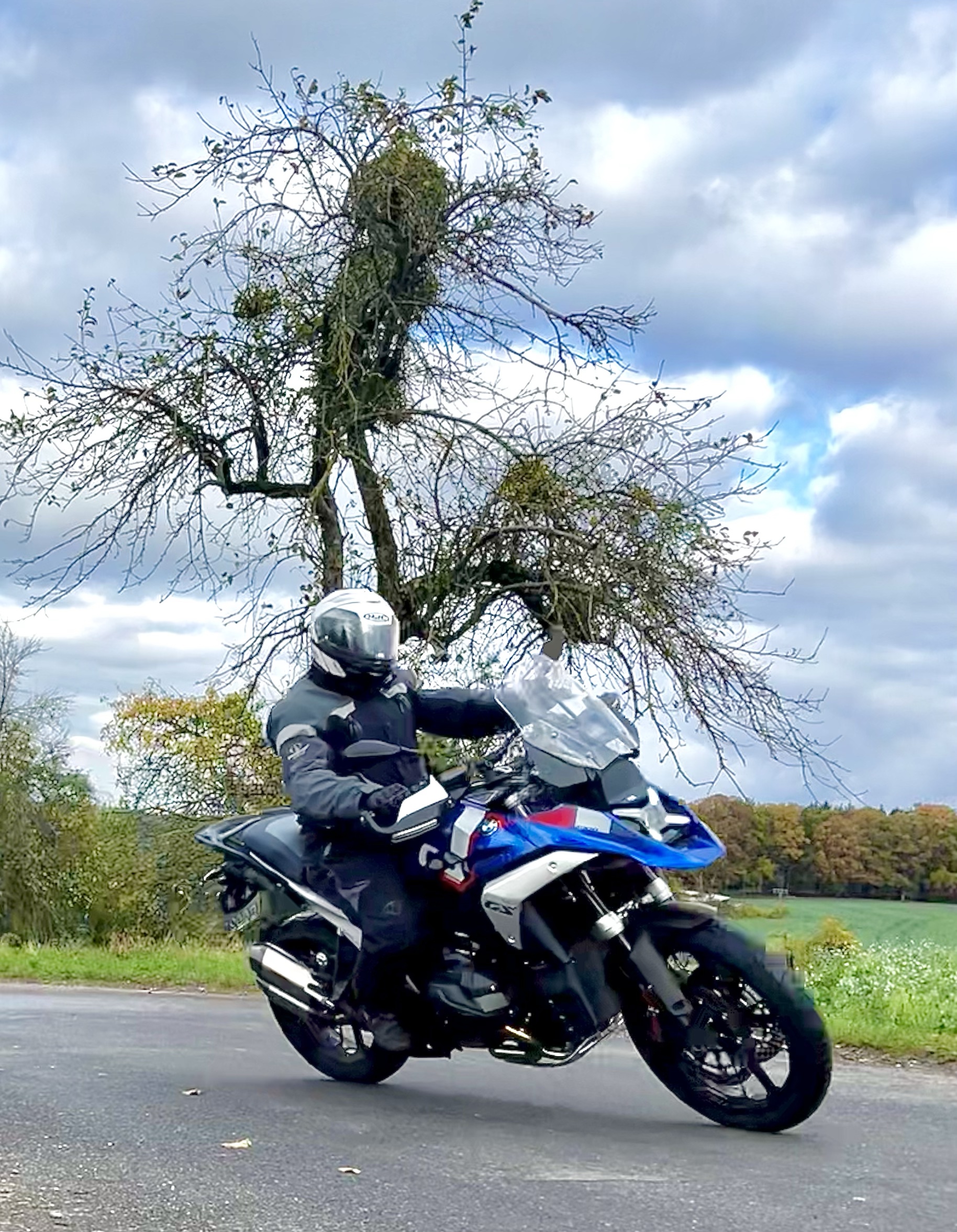
Die BMW GS mittlerweile seit gut 30 Jahren ein Mythos der Motorradgeschichte und zugleich ein Modell das von BMW immer wieder aufs Neue gehegt, gepflegt und sogar neu erfunden wird. Nun ja sie ist und bleibt die eierlegende Wollmilchsau der Marke, ein Benchmark, technischer Vorreiter in vielen Gebieten und zugleich die Blaupause vieler anderer Hersteller, um im Segment Reiseenduro ebenfalls ein Stück vom Kuchen abzubekommen.
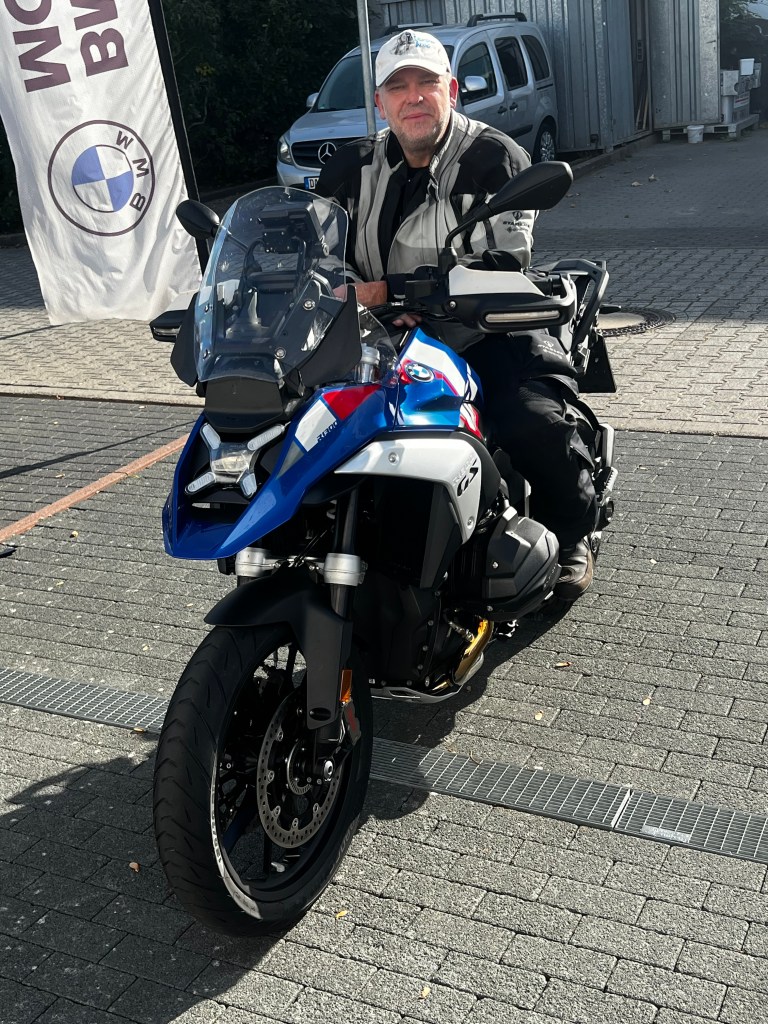
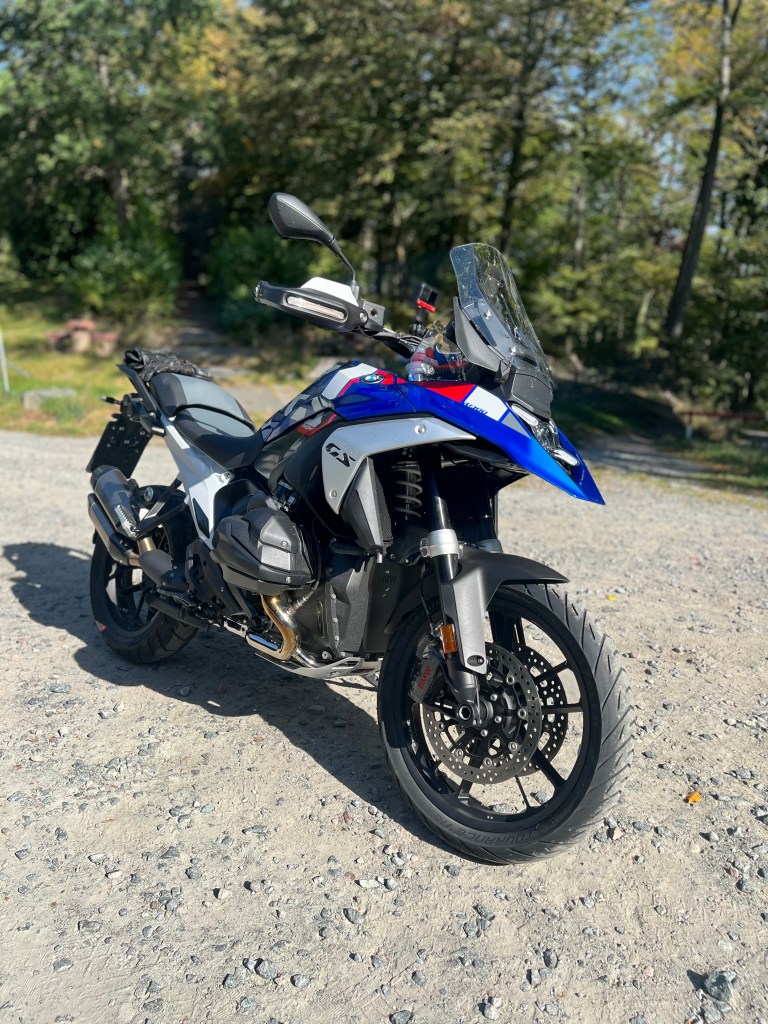
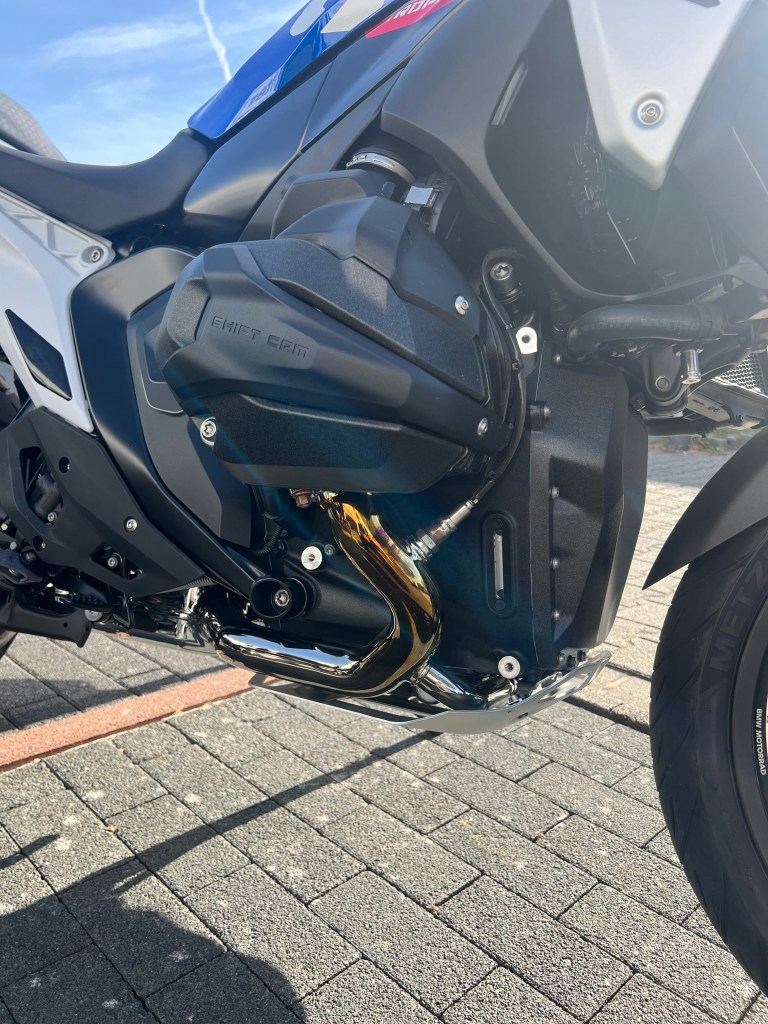
Aber mal ehrlich wer hätte vor 100 Jahren gedacht, dass das Boxerprinzip mit seinen ausladenden Formen einmal „DAS“ Motorkonzept von BMW im Motorradbau werden würde? Wahrscheinlich genauso wenige Menschen wie diejenigen, die geglaubt haben, dass dieses Konzept heutzutage 145 PS Spitzenleistung bei 7750 Umdrehungen und 150 Nm Drehmoment bei 6500 Umdrehungen auf den Asphalt drückt. Ja es hat sich eben viel in der Entwicklung getan und mit modernen Werkstoffen, einer Wasser/Luftkühlung, letztere ist bei einem Boxermotor schon konstruktionsbedingt nicht zu vermeiden, sind solche Leistungen möglich. Dabei ist der komplett neuentwickelte 1300er Motor nun auch wirklich ein echter 1300er. Es gibt keine krummen Hubraumzahlen mehr. Die beiden Kolben haben 106,5 Millimeter Durchmesser und ziehen ihre Bahnen auf 73 Millimeter Länge. Nicht nur die nackten Maximalzahlen versprechen Power, nein viel wichtiger ist das im mittleren Drehzahlbereich stehts deutlich spürbar um die 125-130 Nm Drehmoment anliegen. Das zaubert dem Fahrer ein süffisant breites Grinsen unter den Helm, denn der Motor setzt die Gasbefehle über das elektronisch gesteuert Gas so sauber um, dass sich gewiss kein Fahrer von der Kraft der Maschine überfordert fühlt.

Leider ist der typische Boxersound durch gesetzliche Vorschriften und andere Einschränkungen auch, oder gerade mit der angebauten Akra-Anlage (sie ist zwei Dezibel leiser als das Original) sehr verhalten. Das Thema Motorsound in Verbindung mit Emotionen ist daher für mich persönlich eines der größten Mankos der neuen Maschine. Wobei es mir nicht um ohrenbetäubenden Lärm mit Auspuffklappen geht, sondern einfach um einen guten Sound. So halten sich für mich zumindest in diesem Bereich die Emotionen bei der GS1300 trotz ihrer fulminanten Werte in Grenzen und das „HEYYYYY“-Gefühl fehlt mir ein wenig.
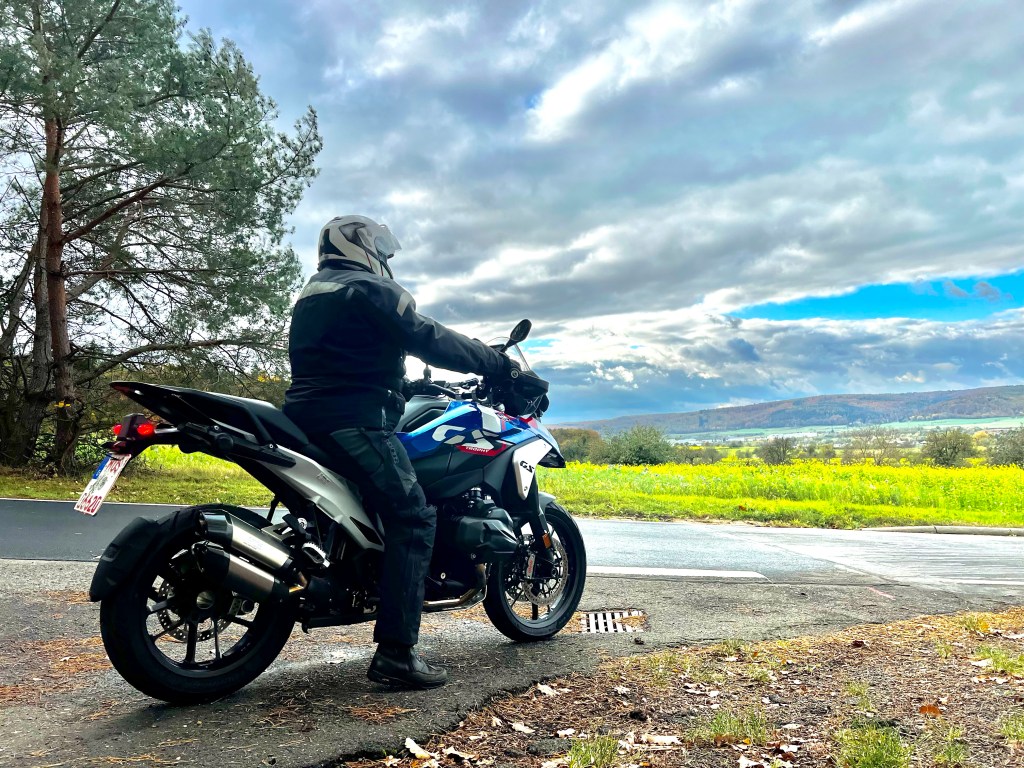
Dafür punkten die Bayern in Sachen Grundausstattung. Für 19.100 Euro gehören vier Fahrmodi (Road, Rain, Eco und erstmalig auch Enduro) zum Programm. Beim ECO-Modus sollte man jedoch etwas aufpassen, da er tatsächlich auch die Kraft beim Beschleunigen aus dem Antriebsstrang rausnimmt und eben ECO fährt. Mal eben schnell beschleunigen macht so beim Überholen keinen Spaß. Zusätzlich ergänzt wird die Grundausstattung der GS1300 durch die Dynamische Traktionskontrolle (DTC), das schräglagenoptimierte ABS Pro, eine Berganfahrhilfe, den adaptiven Tempomat, Spurwechsel und Kollision Warnassistent, das Keyless Ride, MSR, RDC, Griffheizung, die polarisierende LED-Ausstattung, das bekannte 6,5 Zoll große Vollfarb-TFT-Display mit Bluetooth Anbindung, Navigation und der bekannten Connectivitiy, 12 V USB-Anschluss, Einstellbare Handhebel, und Intelligentem Notruf.
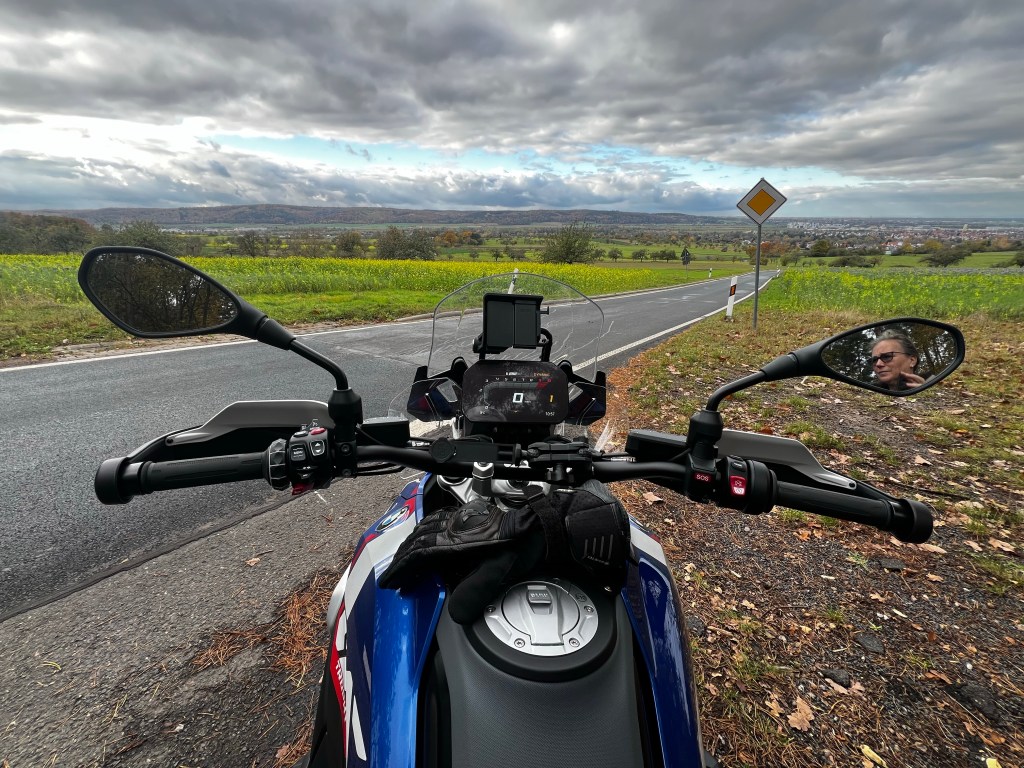
Wer mehr möchte, ich nehme mal an 2/3 der GS-Käufer wollen das, der bekommt es natürlich und so wandert der Preis je nach Ausstattung ziemlich schnell hoch bis auf 30.000 Euro oder sogar mehr. Bei meiner eigenen Konfiguration bin ich bei knapp 29.000 Euro gelandet, obschon mir die Pure bereits reichen würde.

Fahrwerk
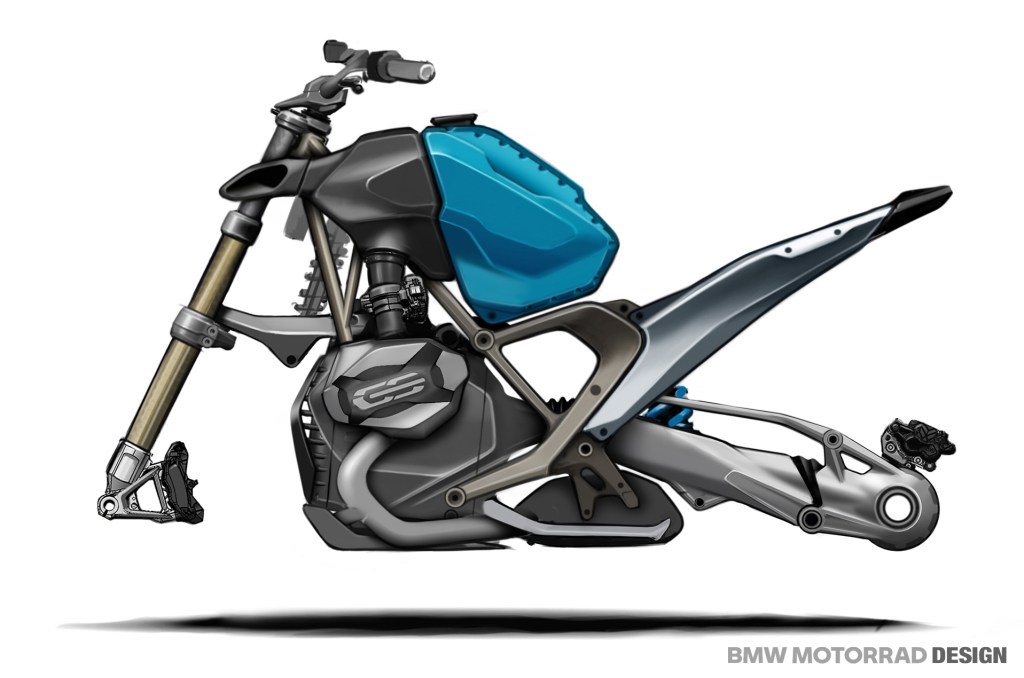
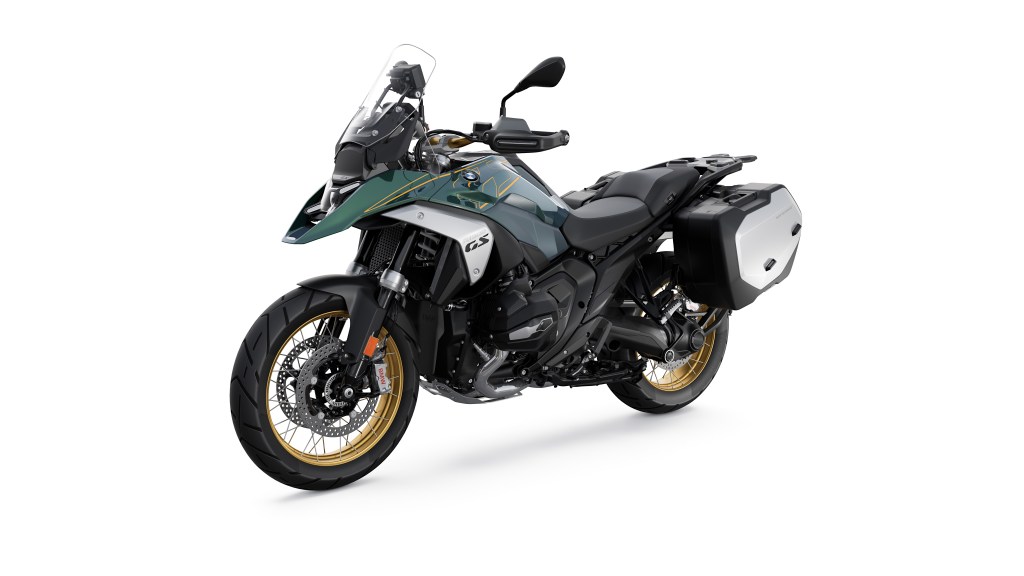
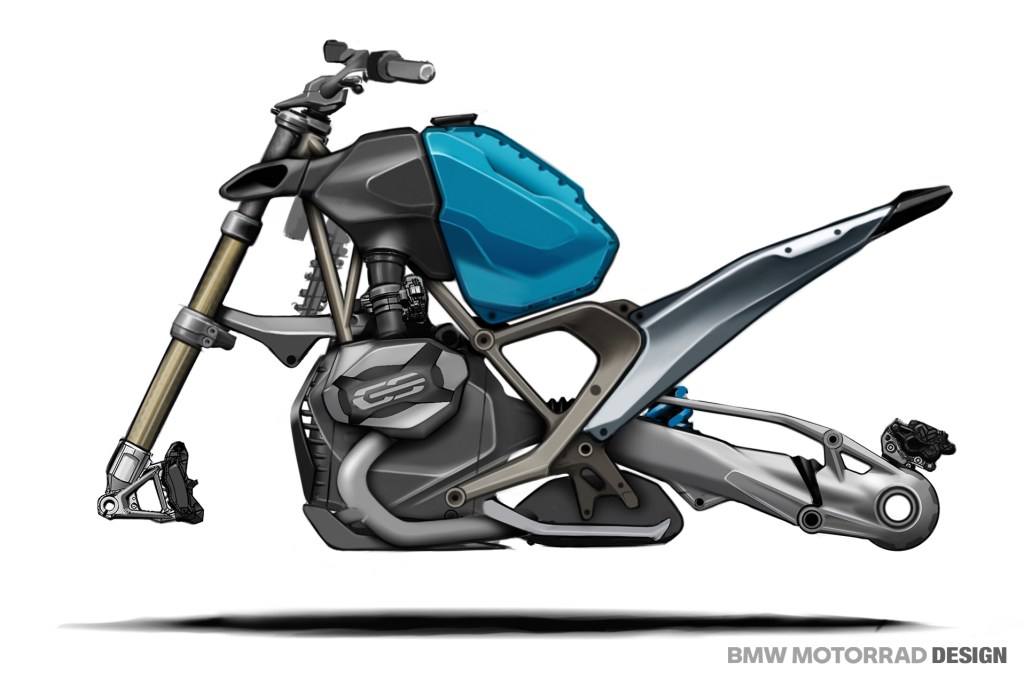
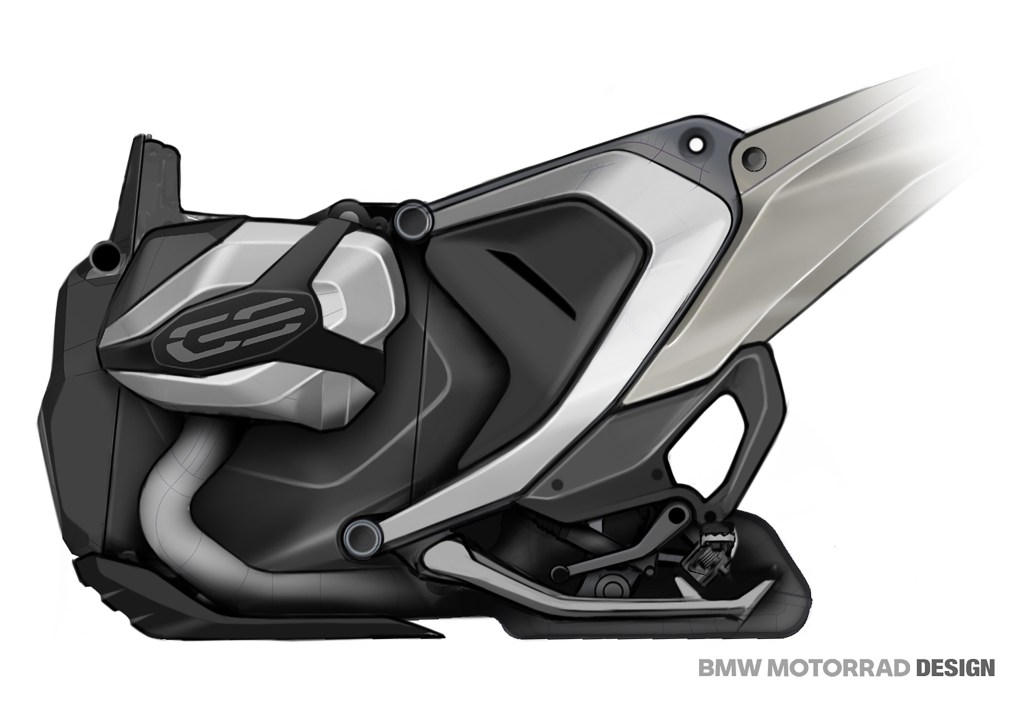
Beim Fahrwerk geht BMW keine Kompromisse ein. Die GS1300 verfügt über ein hochmodernes und effizient elektronisch geregeltes Fahrwerk, Dynamic Suspension Adjustment (DSA) genannt. Neben einem sehr guten Fahrgefühl überzeugt es gegen Aufpreis mit seiner dynamischer Anpassung von Dämpfung und Federrate sowie Beladungsausgleich was es als Sonderausstattung ab Werk gibt. Zusätzlich sorgen der EVO Tele- und EVO Paralever für mehr Stabilität und ausgezeichneten Fahrkomfort. Durch das ebenfalls neu entwickelte Rahmenkonzept wirkt die Maschine insgesamt kompakter und in der Seitenansicht nicht mehr so zerpflückt wie ihre Vorgänger. Bei der Entwicklung des neuen Rahmens wurden außerdem erstmals zwei unterschiedliche Material-Komponenten miteinander verbunden. Der Blechschalen Hauptrahmen, der in Teilen optisch einem Deltaboxrahmen der 90er Jahre ähnelt, vorne nimmt den mittragenden Motor und das Frontend auf. Dabei wird er nun hinten durch einen alles Verdeckenden und zugleich günstig zu produzierenden Aludruckgussrahmen ergänzt. Das spart Gewicht, senkt die Produktionskosten und wird dem einen wegen der Geschlossenheit gefallen. Andere GSler werden wohl die sichtbare und zumindest leichter wirkende Stahlgitterkonstruktion des Vorgängers am Heck vermissen. Mit 237 kg vollgetankt und einer Zuladung von 228 kg kommt die Neue auf das gleiche zulässige Gesamtgewicht wie die 1250er, ist aber insgesamt eben 12kg leichter als das alte Modell.
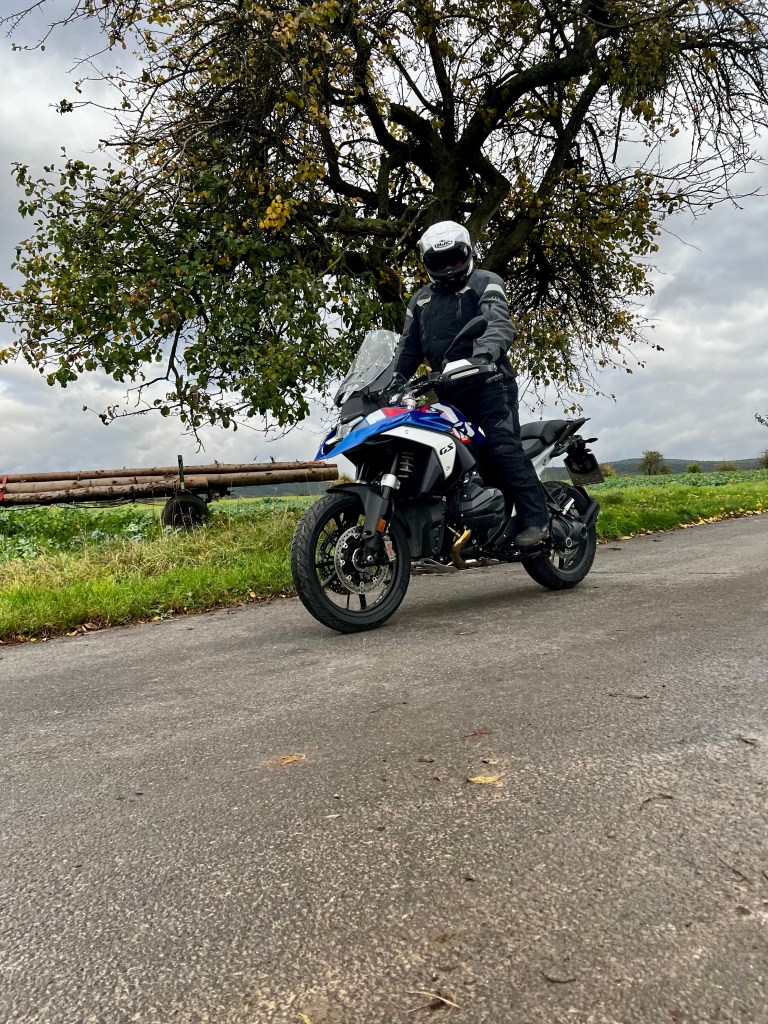
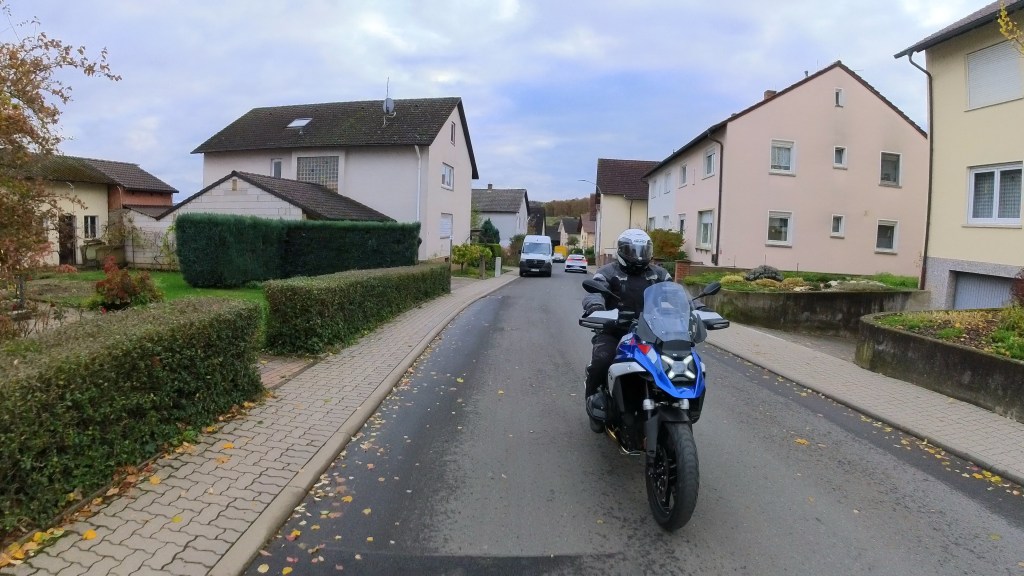
Und leichter ist bekanntlich besser! Gerade auf engen und zugleich kurvigen Strecken mit teils unsauberem Asphalt spielt die neue GS ihre Stärken aus. Während man den breiten Lenker entspannt bewegt, rollt die Maschine unbeeindruckt über den schlechten Belag und gleichzeitig präzise dorthin, wo man sie haben will. Dabei macht das Wedeln durch die engen Kurven im Odenwald dank ihrer Handlichkeit unsagbar viel Spaß. Und natürlich hat hier auch das Drehmoment des Motors ein Wörtchen mitzureden. Seine kräftige Mitte hat mir auf der Testrunde einfach richtig gut gefallen und am Ende das gewisses „MEHR MEHR“ im Kopf erzeugt.
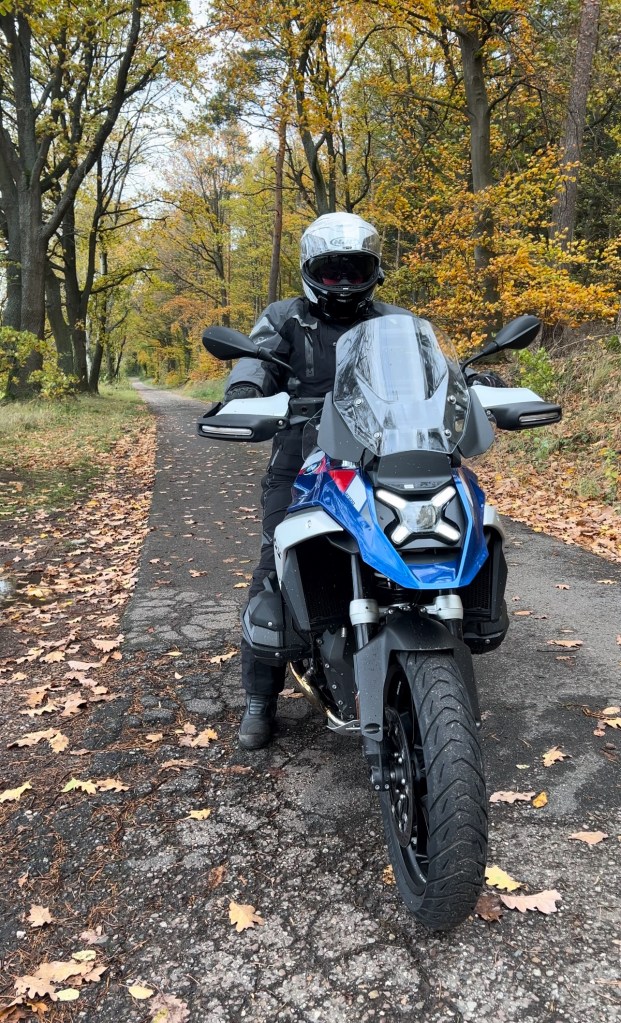
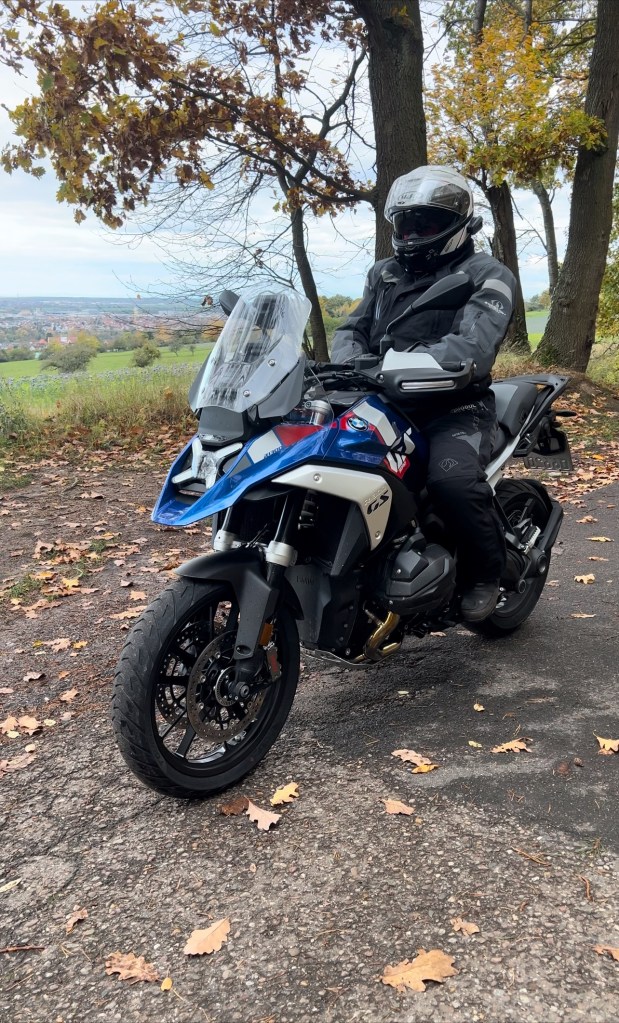
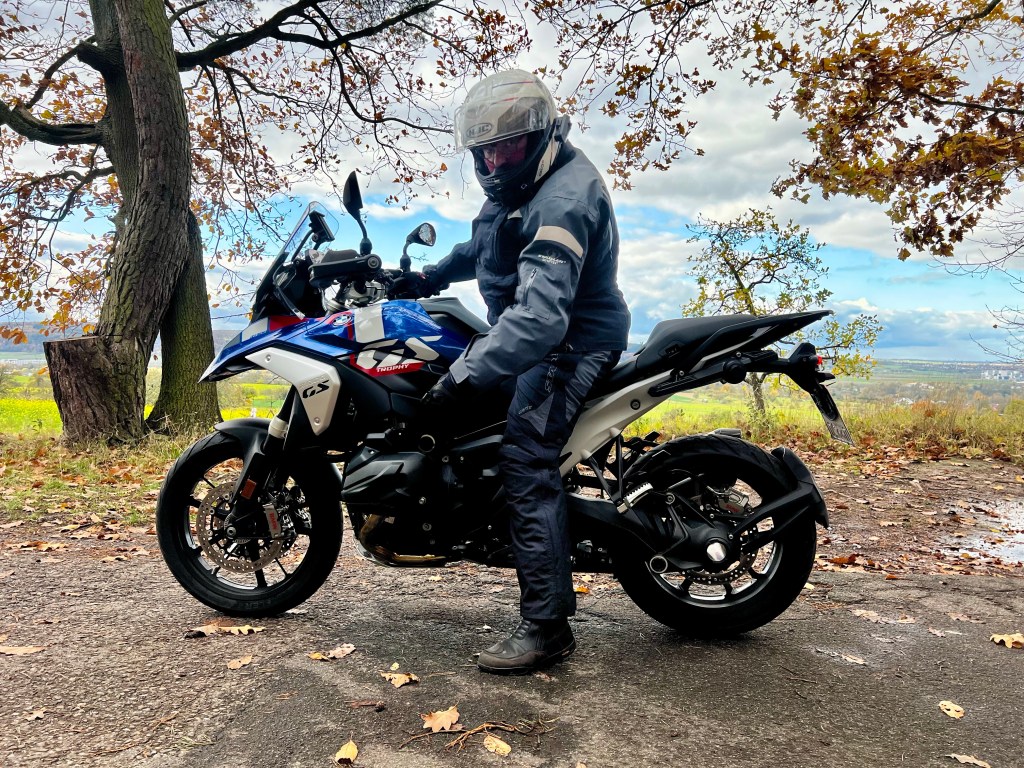
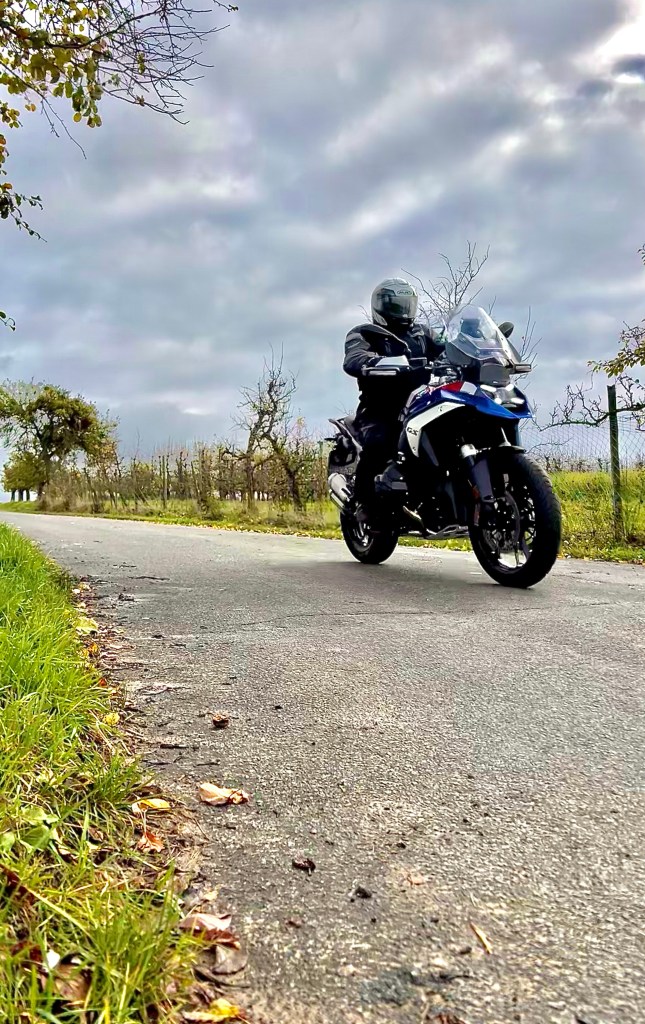
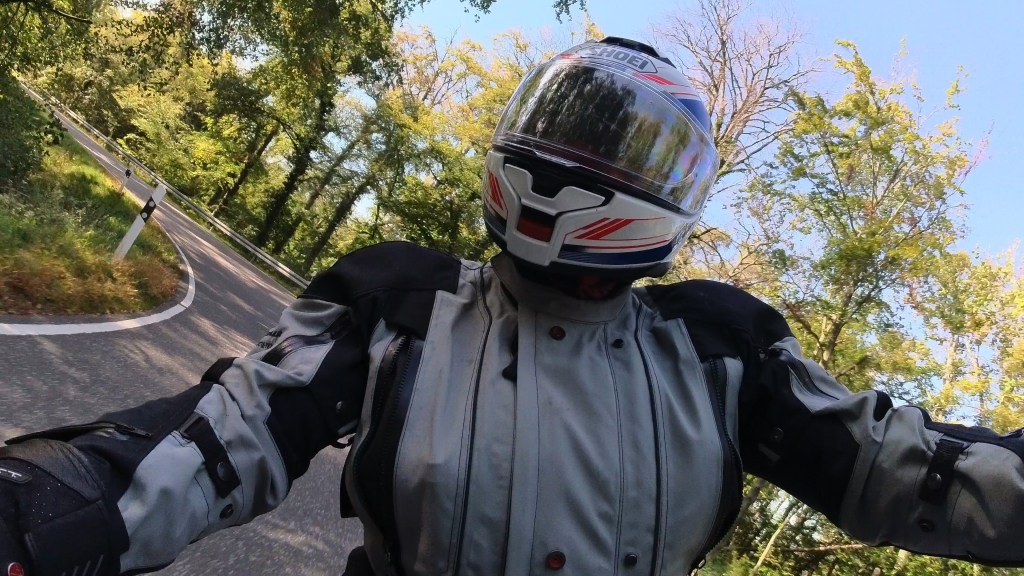
Die versteckten elektronischen Helferlein taten in diesem Fall übrigens, was sie sollten und traten, wenn überhaupt, nur unsichtbar in Erscheinung. Bei so viel Vortrieb sei noch erwähnt, dass die Bremsanlage der GS ebenfalls sehr gut funktioniert. Die Druckpunkte sind klar und fangen auch nach mehrmaligem starken Bremsen bergab nicht an zu wandern. Zusammen mit dem optimierten ABS bietet das System ein hohes Maß an Sicherheit im Kopf und auf der Straße.
Optik
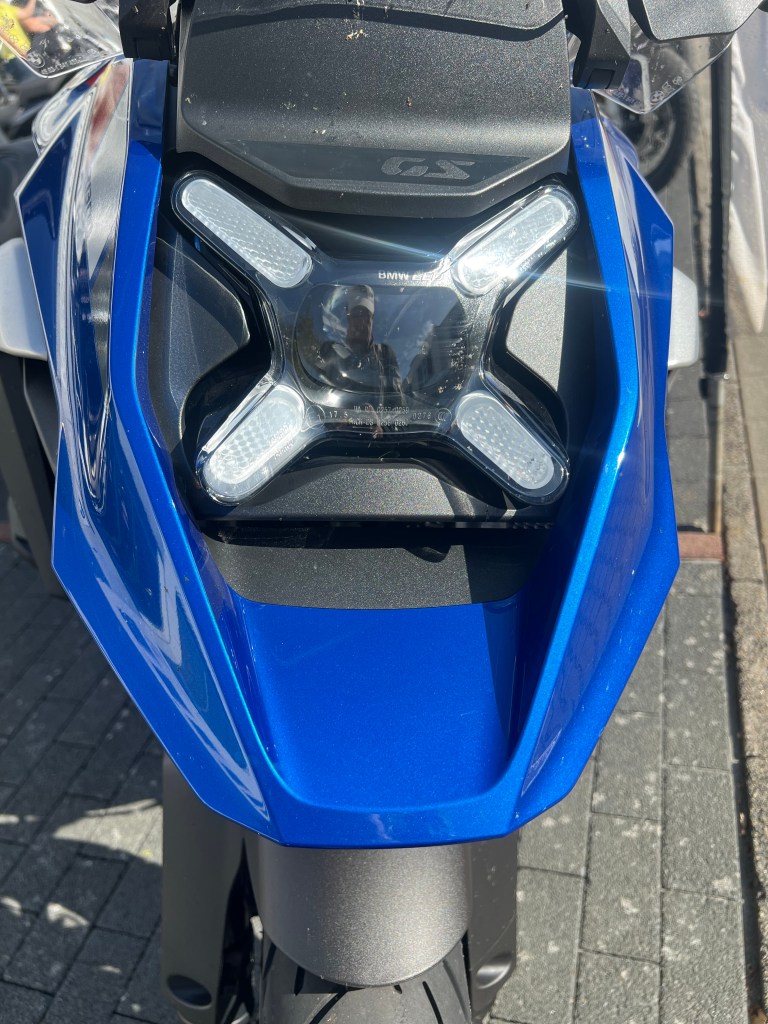
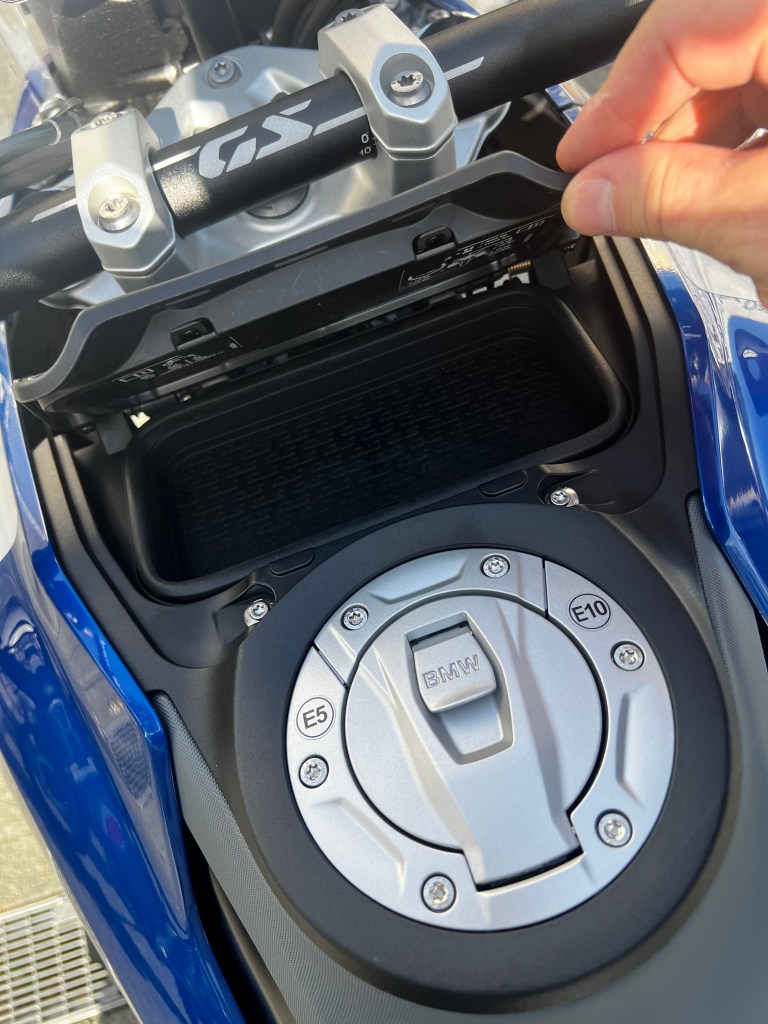
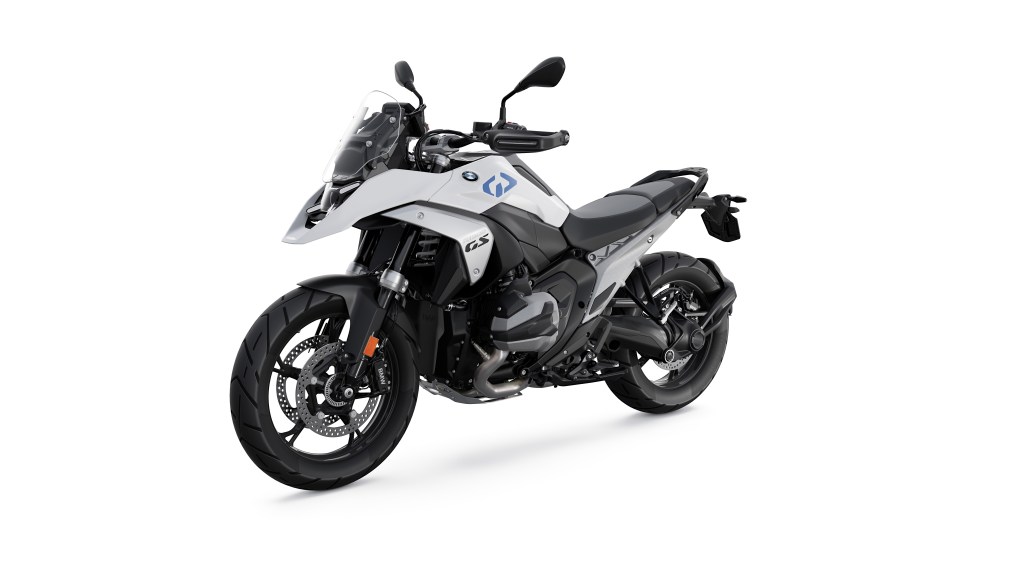
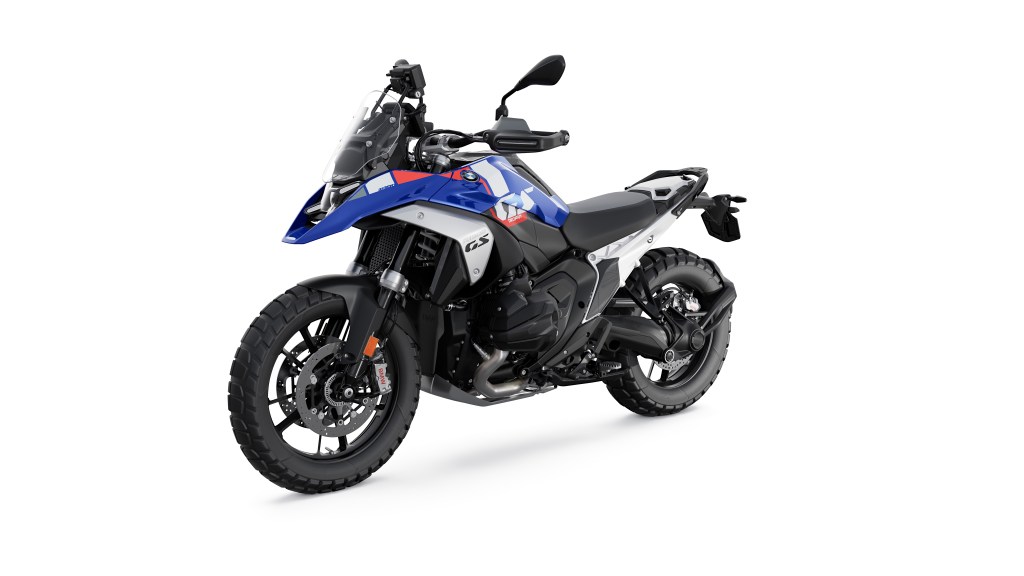
Über Geschmack lässt sich bekanntlich nicht streiten, oder doch? Nennen wir die Abkehr vom klassischen Frontgesicht, mit Karl Dall Blickt, hin zur neuen Lichteinheit einfach mal eine provokant, polarisierende Veränderung. Eine die gefällt, oder eben halt nicht gefällt. Auf jeden Fall entsteht in Verbindung mit dem steileren Schnabel und dem elektrisch höhenverstellbaren Windschild eine weniger zerstückelte Frontpartie, die zugleich seitlich betrachtet harmonischer in die Tank- Sitzbanklinie übergeht. Designtechnisch praktisch gelöst ist dabei der Übergang von der Sitzbank in den Tank. Man spart sich mit dem fortführenden Sitzbankbezug auf Dauer den Tankpad. Wie lange dieser Kustlederbezug dort hält wird die Zukunft zeigen. Das nicht abschließbare Ablagefach vor dem Tankdeckel ist praktisch und nimmt unter anderem den Schlüssel, die Sonnenbrille oder andere Utensilien auf. An der Frontpartie wandern die Blinker von der althergebrachten Position in die Handprotektoren. Wie das im Gelände und bei einem Sturz dann ausgeht wird BMW sicherlich ausgiebig getestet haben, denn in den Foren ist es schon jetzt ein heiß diskutiertes Thema, ähnlich wie der neue Scheinwerfer. Aber keine Angst alternativ kann man die Blinker auch an der alt angestammten Position bekommen.
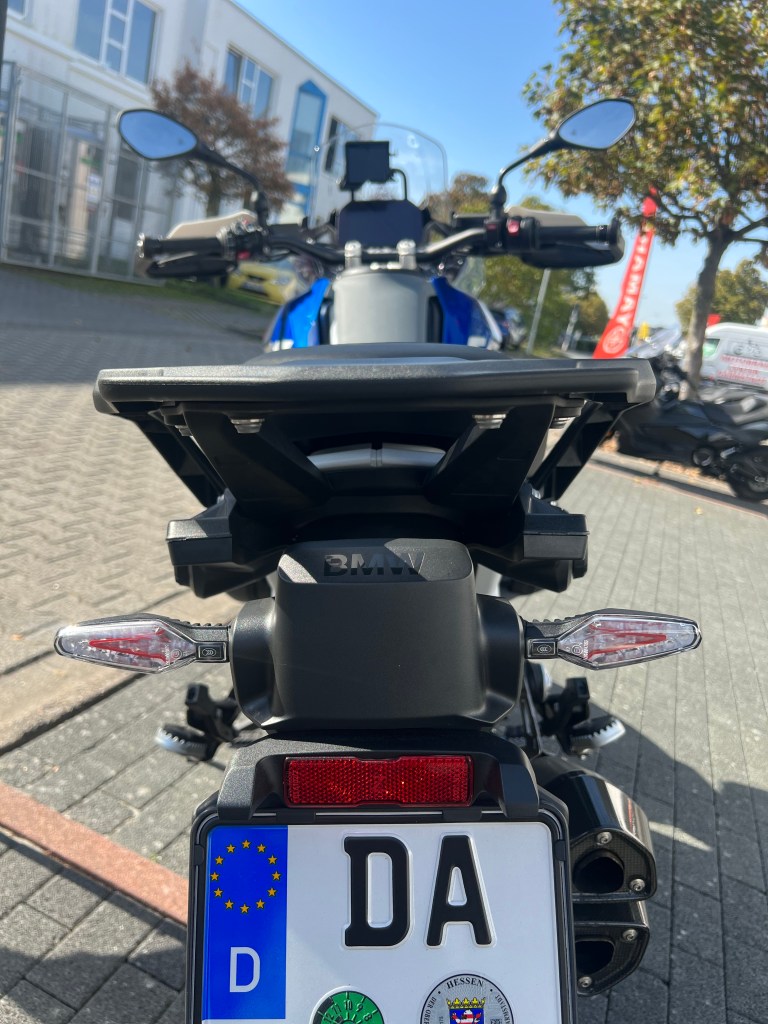


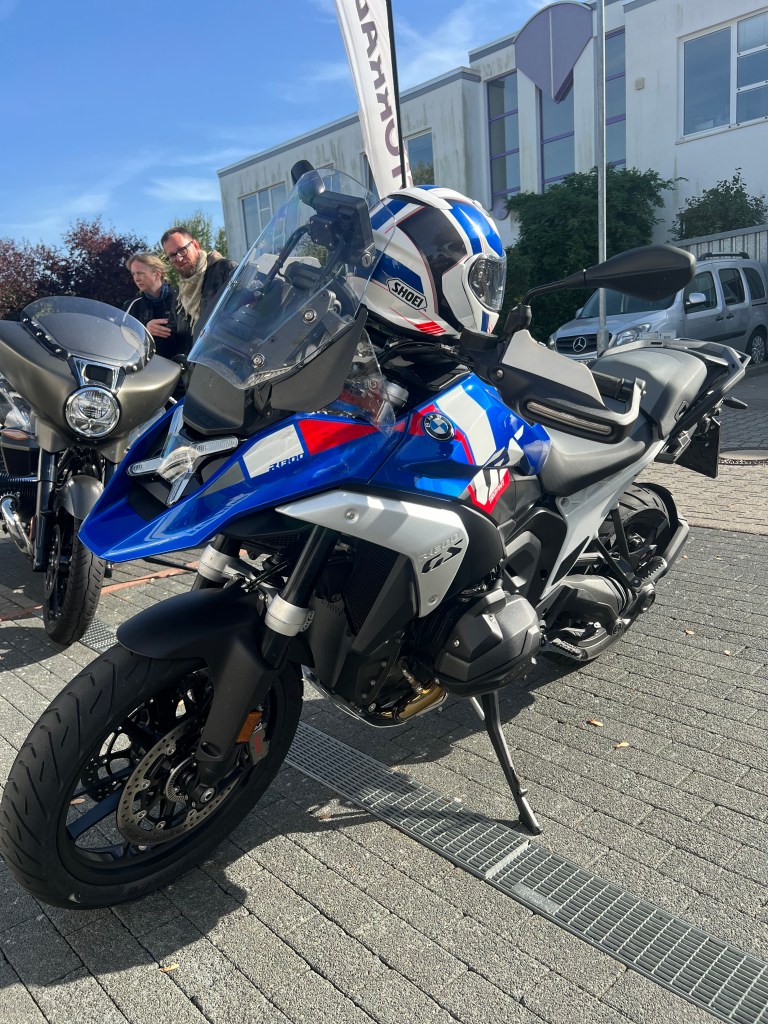
Auch am Heckbereich wurde wie an der Front Hand angelegt und es regiert neben dem schon erwähnten farblich abgestimmten Aludruckgussrahmen schwarzer Kunststoff. Rücklicht und Blinker bilden am Nummernschildausleger eine Einheit dazwischen gibt es einen dicken Kunststoffblock. Der wird es schwer machen am Heck der GS groß etwas zu verändern. Denn er gehört wie sein großes schwarzes Gegenstück oberhalb des Scheinwerfers an der Front zum Riding Assistent mit Active Cruise Control (ACC), zur Frontkollisionswarnung (Front Collision Warning FCW) und dem Spurwechselwarnungs (SWW) System welche für noch sicheres und komfortables Motorradfahren laut BMW sorgen sollen. In Anbetracht dessen das aber gefühlt widerrum 2/3 der Maschinen sowieso meist im Vollkofferbetrieb gefahren werden, fällt das am Ende wohl gar nicht mehr weiters so auf.

Gepäcksystem
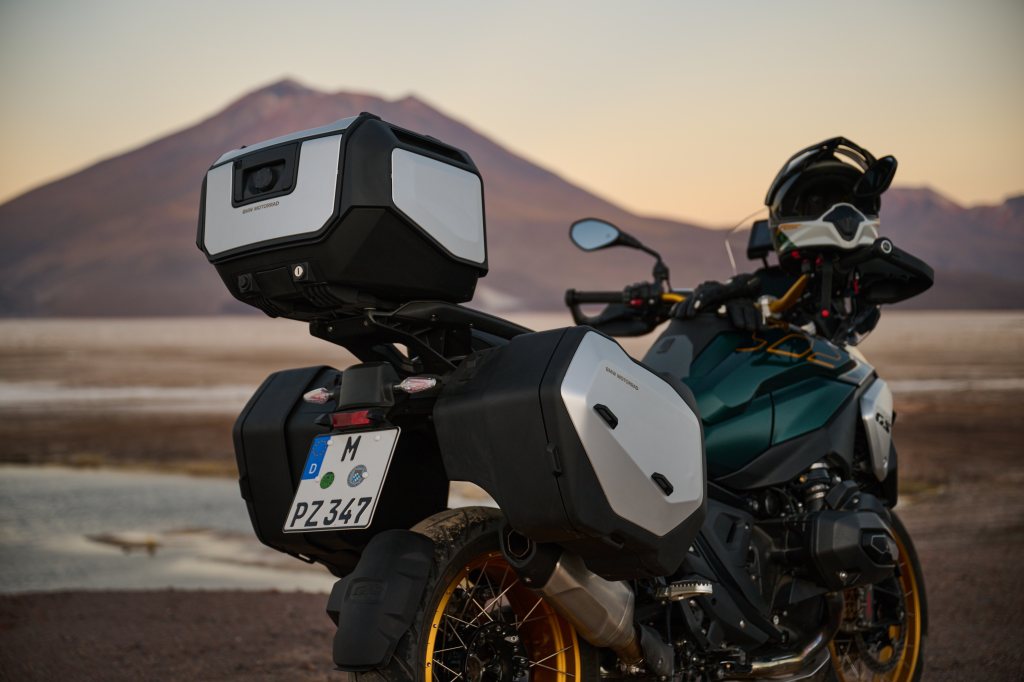
Apropos Koffersystem, Vario Koffer und Vario Topcase mit integrierter Lademöglichkeit und Beleuchtung sowie Einbindung in die Funk-Zentralverriegelung für maximalen Komfort sind hier die Neuerungen. Im Hinblick auf Technik und Funktionalität setzt das neue Vario Gepäcksystem somit einmal mehr Maßstäbe, sagen die Verantwortlichen. Ein weiteres Highlight dabei ist die Elektrifizierung. Von nun an können elektronische Geräte wie beispielsweise Smartphone, Tablet oder Laptop im Gepäckinnenraum des linken Vario Koffers geladen werden. Dort befindet sich ein USB-A-Ladeanschluss, der das Laden über das Bordnetz mit einer Ladeleistung von bis zu 15 W (5 V / 3 A) ermöglicht. Ein weiterer USB-A-Anschluss befindet sich im Topcase. Zudem sorgt die integrierte Beleuchtung in den Vario Koffern und im Topcase für bestmöglichen Komfort beim nächtlichen Be- oder Entladen. Durch die stufenlose Volumenverstellung (zwei Stufen) der Vario Koffer und des Vario Topcases wird insgesamt ein Fassungsvermögen von rund 97 l erreicht. Man spricht von einer Erweiterung der Vario Koffer auf 49 l also runde 5,5 l mehr. Beim Topcase steigert sich das Stauvolumen dadurch von 28 auf maximal 36 l. Das sollte für die ausgedehnte Reise durch Südfrankreich oder durch die Dolomiten reichen.
Komfort und Bedienung
Das eine GS komfortabel ist haben die Vorgängermodelle reichlich bewiesen. Darüber brauchen wir wohl nicht weiters zu diskutieren und auch die neue Version hat diese Gen vererbt bekommen. Die beiden Sitzbankteile sind in der Komfortvariante beheizbar und lassen in Sachen Bequemlichkeit wirklich keinerlei Wünsche offen. Durch die Höhenverstellbarkeit des Sitzpolsters und diverse Höhen ist die GS zudem den meisten Größen zugänglich, zumal bei der 1300er das adaptiv höhenverstellbare Fahrwerk als neues Feature hinzukommt. Damit spart man sich die von Werk aus tiefergelegten Varianten der GS und schafft eine noch größere Variabilität in Sachen Fahrzeughöhe.
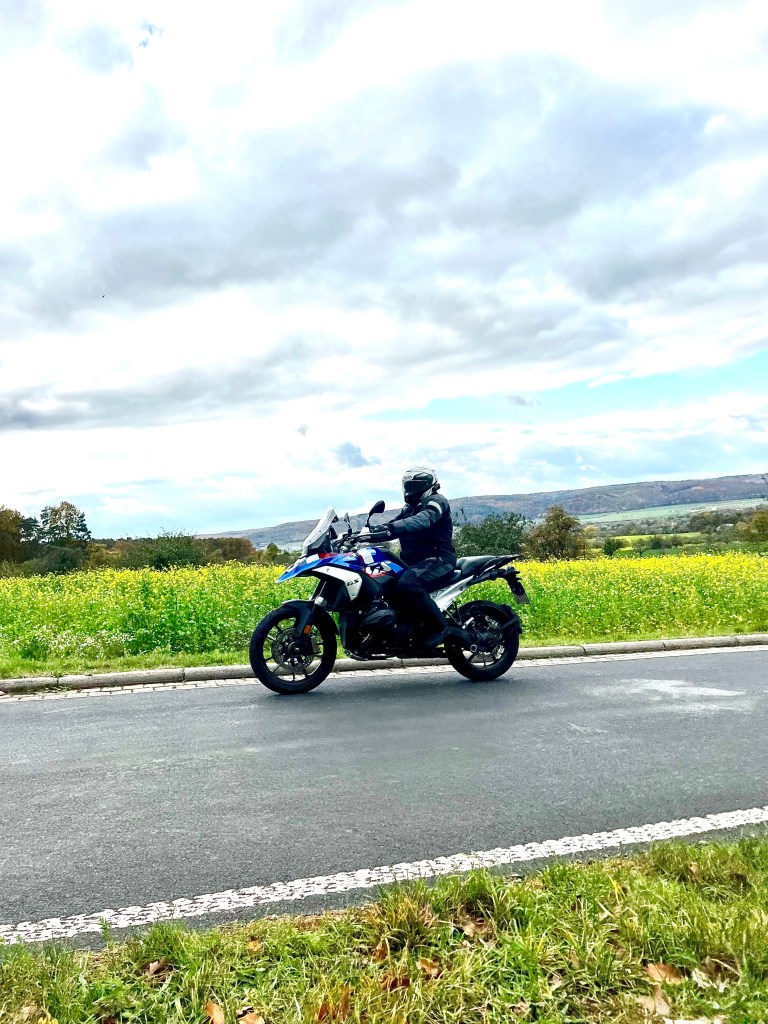
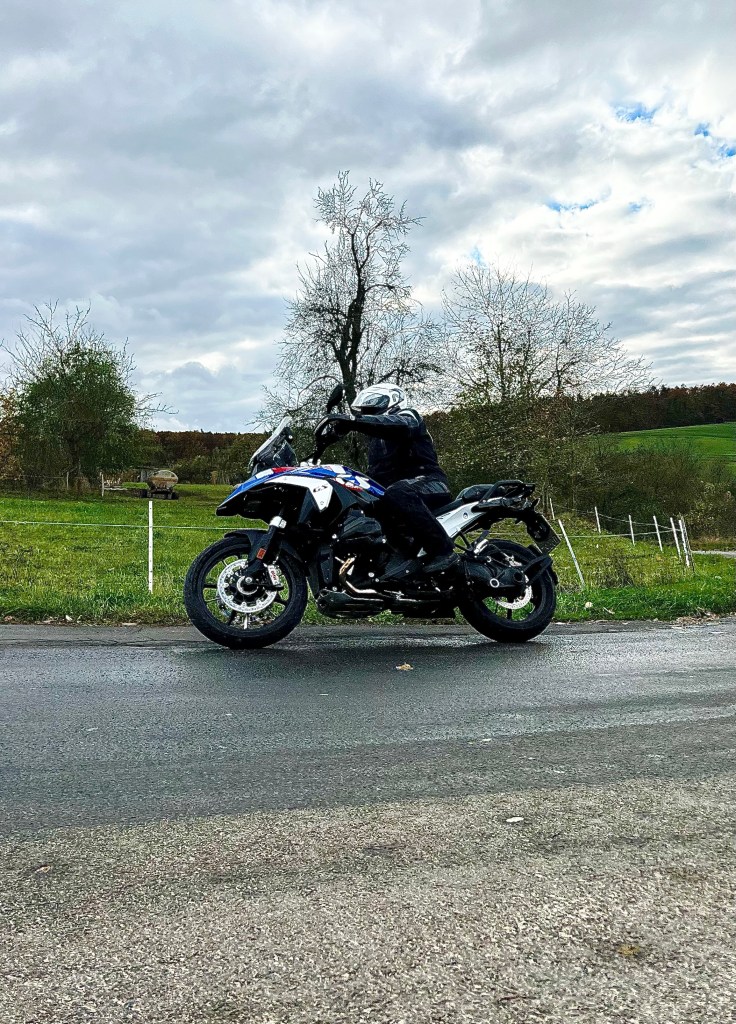
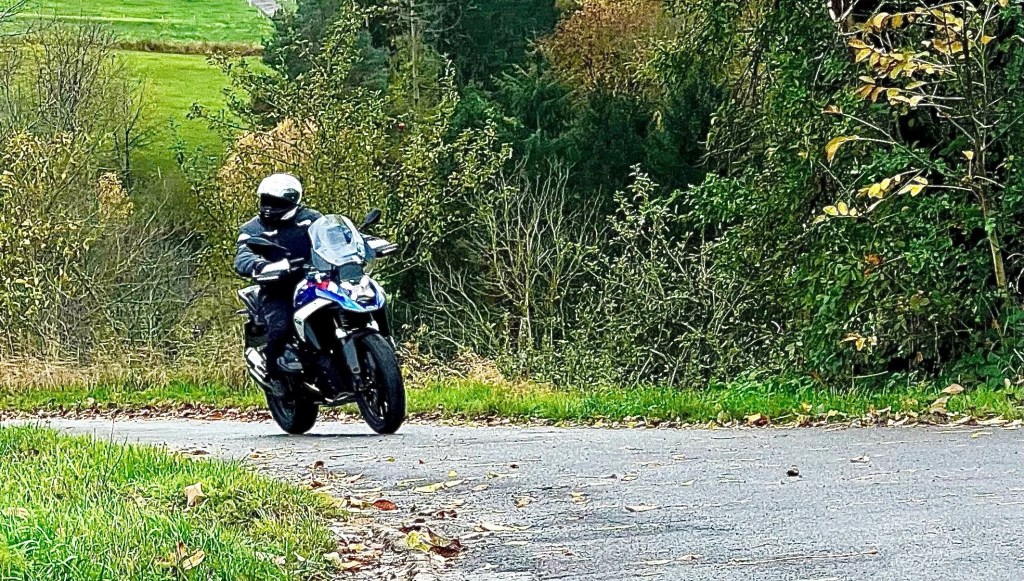
Wie üblich bei BMW wird all die Elektronik über die Lenkerenden bedient und gesteuert. Diese sind auch bei der GS 1300 vollgepackt mit Schaltern, Bedienwippen und dem BMW typischen Drehrad. Und auch wenn all die Funktionen mit der Zeit intuitive gehen, bedarf es schon einer gewissen Ausdauer, bis man wirklich alles herausgefunden hat. Bei der Testrunde war das leider so nicht möglich. Allerdings konnte ich neben den tollen Fahreigenschaften feststellen, dass die Frontscheibe den Windstrom sehr gut an meiner Helmabrisskante vorbeigeführt hat und das sogar bei 160 – 170 km/h auf der Autobahn. Weiters sind die einzelnen Fahrmodi sehr gut abgestuft. Die Spiegel mit ihrem aufleuchtenden orangenen Dreieck warnen frühzeitig beim Spurwechsel und auf dem 6,5 Zoll Display hat man stehts den Überblick über die Funktionen der Maschine.

Bleibt die Frage soll ich als GS 1250er Besitzer tauschen und mir eine 1300er stattdessen in die Garage stellen? Nun das hängt natürlich davon ab was mein Geldbeutel hergibt und inwieweit ich mich mit dem neuen Outfit der Maschine identifizieren kann. Und das muss natürlich jeder selbst entscheiden.
Fazit
Die neue BMW R 1300 GS polarisiert und ganz ehrlich, dass soll sie auch, denn manchmal muss man eben auch einfach einmal altes und zugleich eingefahrenes zerstören, um Neues schaffen zu können. Sonst gäbe es unter Umständen gar keine GS und ja vielleicht sogar gar kein BMW-Motorrad mehr.

Die neue Optik tut dem Fahrspaß im Übrigen keinen Abbruch, ganz im Gegenteil. Sieht man einmal vom sehr verhaltenen Sound ab, ist der neue Motor eine echte Wuchtbrumme die leichtfüßig voranschiebt. Ab 4000 Umdrehungen geht das sonst schon leicht zu schaltende Getriebe mit dem bidirektionalen Quickshifter ziemlich sauber durchzuschalten, ohne die Kupplung nutzen zu müssen, was den Vortrieb noch einmal beschleunigt. Fahrwerk und Bremsen lassen keinerlei Wünsche offen, ebenso wenig wie die Reisetauglichkeit der Maschine. Der Grundpreis von 19.100 Euro ist für die Ausstattung fair, die Spitze des Eisberges BMW GS 1300 ist jedoch preislich eine echte Benchmark. Allerdings werden die wohl erfahrungsgemäß recht viele der GS-Fahrer mit den diversen Ausstattungspaketen erreichen.
Warum die Kardanwelle im Zuge der 80.000 Inspektion getauscht werden muss, ist bis dato noch offen. Ich nehme an es ist eine Vorsichtsmaßnahme, da es hier in der Vergangenheit ja schon öfters Probleme gegeben hat.
In diesem Sinne viel Spaß beim Erlebnis BMW R1300 GS
Torsten Thimm

BMW R 1300 GS first ride test Once everything new
The BMW GS has been a myth in motorbike history for more than 30 years and at the same time a model that is cherished, maintained and even reinvented by BMW time and again. Well, it is and remains the brand’s „eierlegende Wollmilchsau“, the benchmark and technical pioneer in many areas, and at the same time the blueprint for many other manufacturers to get a piece of the pie in the touring enduro segment.
But honestly, who would have thought 100 years ago that the boxer principle with its expansive shapes would one day become „THE“ engine concept of BMW in motorbike construction? Probably just as few as those who believed that this concept would nowadays produce 145 hp of peak power at 7750 revolutions and 150 Nm of torque at 6500 revolutions. Yes, a lot has been done in development and with modern materials, water/air cooling – the latter is unavoidable in a boxer engine due to its design – such performance is possible. The completely newly developed 1300 engine really is a genuine 1300. There are no more crooked displacement figures. The two pistons have a diameter of 106.5 millimetres and run on a length of 73 millimetres. Not only do the bare maximum figures promise power, but much more importantly, there is always a clearly perceptible 125-130 Nm of torque in the medium rev range. This gives the rider a smug, broad grin under the helmet, because the engine converts the throttle commands via the electronically controlled throttle so cleanly that no rider feels overwhelmed by the power of the machine.


Unfortunately, the typical boxer sound is very restrained due to legal regulations and other restrictions, even with the Akra system fitted (it is even two decibels quieter than the original). The topic of engine sound in connection with emotion is therefore one of the biggest shortcomings of the new machine for me personally. I’m not talking about deafening noise with exhaust flaps, but simply about a good sound. So for me, at least in this area, the emotions of the GS1300 are limited despite its fulminant values and the „HEYYYYY“ feeling is a little lacking.
On the other hand, the Bavarians score points when it comes to the basic equipment of the machine. For 19,100 euros, four riding modes (Road, Rain, Eco and, for the first time, Enduro) are part of the programe. However, you should be careful with the ECO mode, as it actually takes the power out of the drivetrain when accelerating and drives ECO. Accelerating quickly when overtaking is no fun. In addition, the basic equipment of the GS1300 is supplemented by the Dynamic Traction Control (DTC), the slope-optimised ABS Pro, a Hill Start Assist, the Adaptive Cruise Control, Lane Change and Collision Warning Assist, the Keyless Ride, MSR, RDC, heated grips, the polarising LED equipment, the familiar 6.5-inch full-colour TFT display with Bluetooth connection, navigation and the familiar connectivity, 12 V USB connection, adjustable hand levers, and Intelligent Emergency Call.
If you want more, which I assume 2/3 of GS buyers do, you’ll get it of course, and so the price goes up quite quickly to 30,000 euros or even more, depending on the equipment. In my own configuration I ended up with just under 29,000 euros, although the Pure would already be enough for me.
Chassis
BMW makes no compromises when it comes to the chassis. The GS1300 has a highly modern and efficient electronically controlled chassis called Dynamic Suspension Adjustment (DSA). In addition to a very good driving feel, it convinces with its dynamic adjustment of damping and spring rate as well as load compensation, which is available as an optional extra ex works. In addition, the EVO Tele- and EVO Paralever provide more stability and excellent riding comfort. The newly developed frame concept also makes the machine look more compact overall and the side view is no longer as jagged as its predecessors. For the first time, two different components have been combined in the development of the new frame. The sheet metal main frame, which in parts looks similar to a delta box frame of the 90s, at the front accommodates the supporting engine and the front end. It is now supplemented at the rear by a die-cast aluminium frame that covers everything and is also cheap to produce. This saves weight, lowers production costs and will please some people because of the closed design. Other GSers will probably miss the visible and at least lighter-looking steel lattice construction of the predecessor at the rear. With 237 kg fully fuelled and a payload of 228 kg, the new model has the same permissible total weight as the 1250, but is 12 kg lighter than the old model. And as we all know, lighter is better! The new GS shows its strengths especially on narrow and winding roads with sometimes rough asphalt. While you move the wide handlebars in a relaxed manner, the bike rolls unimpressed over the bad pavement and at the same time precisely where you want it to go. And thanks to its manoeuvrability, it is unspeakable fun to waft through the sometimes tight bends in the Odenwald. Of course, the engine’s torque also has something to say about this. I really liked its powerful mid-range on the test lap and in the end it created a certain „MORE MORE“ in my head.
By the way, the hidden electronic aids did what they were supposed to do in this case and only appeared invisibly, if at all. With so much propulsion, it should be mentioned that the GS’s braking system also works very well. The pressure points are clear and do not begin to wander even after repeated heavy braking downhill. Together with the optimised ABS, the system offers a high degree of safety in the mind and on the road.
Optics
There’s no accounting for taste, is there? Let’s just call the departure from the classic front face with a Karl Dall look to the new light unit a provocative, polarising change. One that pleases, or doesn’t please. In any case, in combination with the steeper beak and the electrically height-adjustable windshield, the result is a less fragmented front end that, when viewed from the side, blends more harmoniously with the tank-seat line. The transition from the seat to the tank is a practical design solution. The continuing seat cover saves the tank pad in the long run. Only time will tell how long this leather cover will last. The non-lockable storage compartment in front of the fuel filler cap is practical and can hold keys, sunglasses or other utensils. At the front, the indicators have been moved from their traditional position to the hand protectors. BMW will certainly have tested this extensively off-road and in the event of a crash, as it is already a hotly debated topic in the forums, similar to the new headlight. As with the front, the rear section has also been given a helping hand and is dominated by black plastic in addition to the colour-coordinated die-cast aluminium frame already mentioned. The tail light and indicators form a unit on the number plate bracket, with a thick plastic block between them. This will probably make it difficult to make any major changes to the rear of the GS. Because it looks like it belongs to the Riding Assistant with Active Cruise Control (ACC), the Front Collision Warning (FCW) and the Lane Change Warning (SWW) system which, according to BMW, should ensure even safer and more comfortable motorcycling. Considering that 2/3 of the bikes are ridden in full pannier mode anyway, this is probably not so noticeable in the end.
Luggage system
Speaking of the pannier system, the Vario pannier and Vario top case with integrated loading option and lighting as well as integration into the radio central locking system for maximum comfort are the innovations here. In terms of technology and functionality, the new Vario luggage system once again sets standards, say those responsible. Another highlight is the electrification. From now on, electronic devices such as smartphones, tablets or laptops can be charged in the luggage compartment of the left Vario luggage. There is a USB-A charging port that enables charging via the on-board network with a charging power of up to 15 W (5 V / 3 A). Another USB-A connection is located in the top case. In addition, the integrated lighting in the Vario cases and in the top case ensures the best possible comfort when loading or unloading at night. The infinitely variable volume adjustment (two levels) of the Vario cases and the Vario top case provides a total capacity of around 97 litres. The Vario panniers are said to have been expanded to 49 l, i.e. around 5.5 l more. The stowage volume of the top case increases from 28 to a maximum of 36 litres. That should be enough for an extended trip through southern France or the Dolomites.
Comfort and operation
The predecessor models have amply demonstrated that a GS is comfortable. We don’t need to discuss this any further, and the new version has also inherited this gene. Both seat sections are heatable in the comfort version and leave nothing to be desired in terms of comfort. The height-adjustable seat cushion and various heights also make the GS accessible to most sizes, especially since the adaptive height-adjustable chassis is a new feature on the 1300. This saves the factory lowered versions of the GS and creates even greater variability in terms of vehicle height.

As usual with BMW, all the electronics are operated and controlled via the handlebar ends. On the GS 1300, these are also packed with switches, control paddles and the typical BMW rotary wheel. And even though all the functions become intuitive over time, it takes a certain amount of perseverance to really figure everything out. Unfortunately, this was not possible during the test round. However, in addition to the great driving characteristics, I did notice that the windscreen did a very good job of keeping the wind flowing past the edge of my helmet, even at 160 – 170 km/h on the motorway. Furthermore, the individual driving modes are very well graduated. The mirrors with their illuminated orange triangle give an early warning when changing lanes, and the 6.5-inch display always gives you an overview of the machine’s functions.
The question remains: should I, as a GS 1250 owner, trade in and put a 1300 in the garage instead? Well, that depends of course on what my wallet can afford and to what extent I can identify with the new outfit of the machine. And of course, that’s something everyone has to decide for themselves.
Conclusion
The new BMW R 1300 GS polarises and, quite honestly, it should, because sometimes you simply have to destroy the old and the established in order to create something new. Otherwise, there might not even be a GS and there might not even be a BMW motorbike any more.
The new look does not detract from the riding pleasure, quite the contrary. Apart from the very restrained sound, the new engine is a real hammerhead that pushes forward light-footedly. From 4000 revs, the otherwise easy-to-change gearbox with its bi-directional quickshifter shifts through quite cleanly without having to use the clutch, which accelerates propulsion even more. The chassis and brakes leave nothing to be desired, nor does the machine’s suitability for touring. The basic price of 19,100 euros is fair for the equipment, but the tip of the iceberg BMW GS 1300 is a real benchmark in terms of price. However, experience shows that quite a few GS riders will achieve this with the various equipment packages.
Why the cardan shaft has to be replaced in the course of the 80,000 inspection is still an open question. I assume it is a precautionary measure, as there have been problems with this in the past.
In this sense, have fun with the BMW R1300 GS experience.
Best wishes Torsten Thimm
Bilder by TTMotorbikeBlog und BMW Werk

 TT MotorBike Blog