

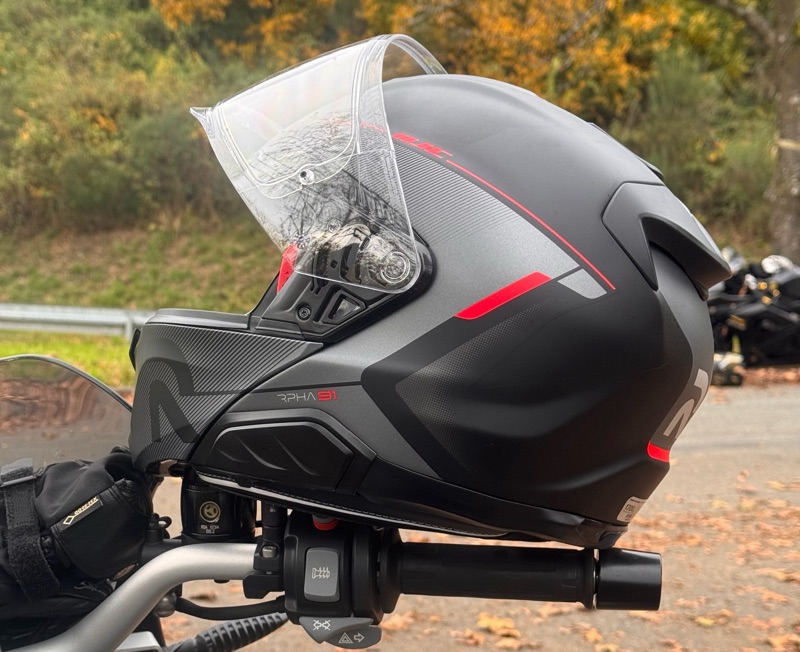
Mit dem RPHA 90 Serie hatte HJC in den letzten Jahren ein wirklich gutes Händchen bewiesen. Ob die neue Generation der RPHA 91 das halten kann, lest ihr im nun folgenden Text. Eines ist auf jeden Fall schon mal klar, es hat sich einiges verändert.
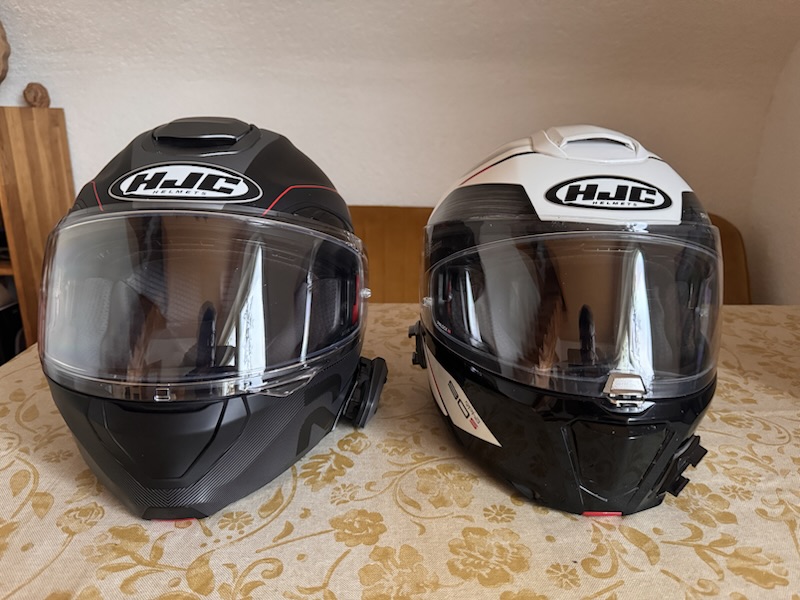
Der HJC 91 im Test
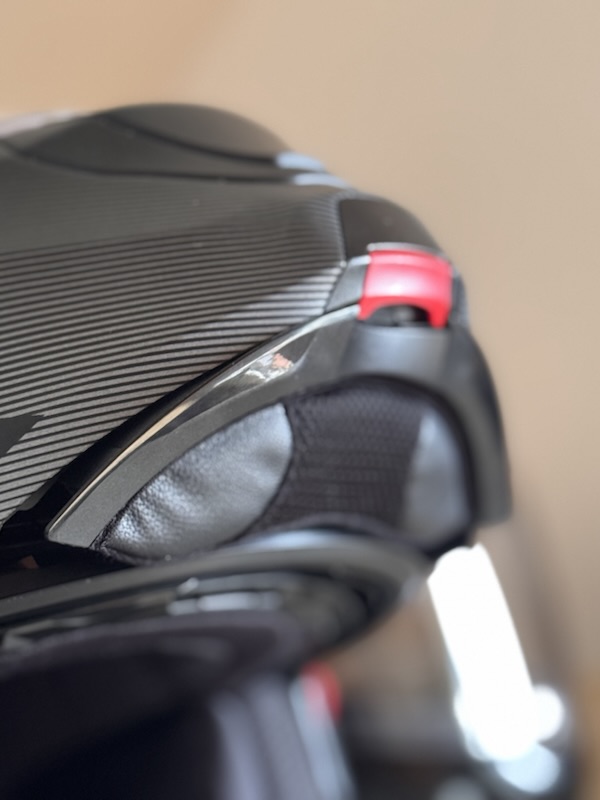
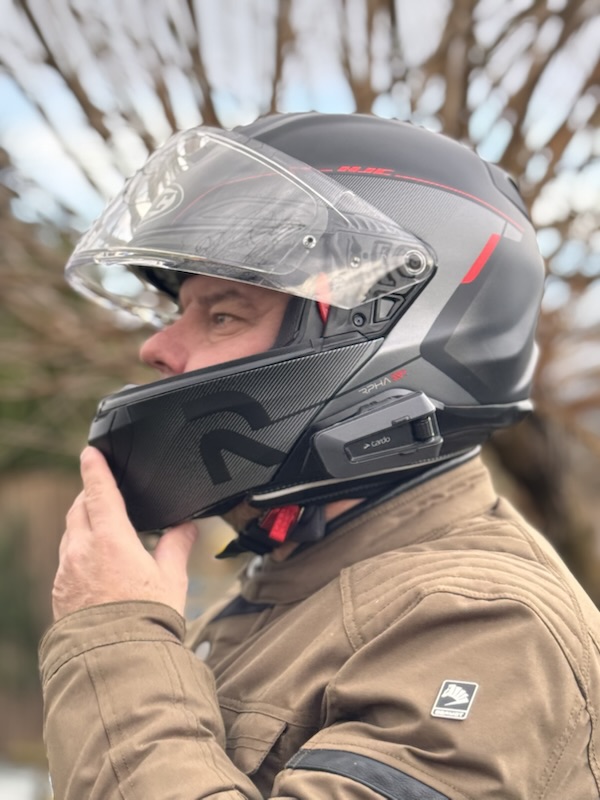
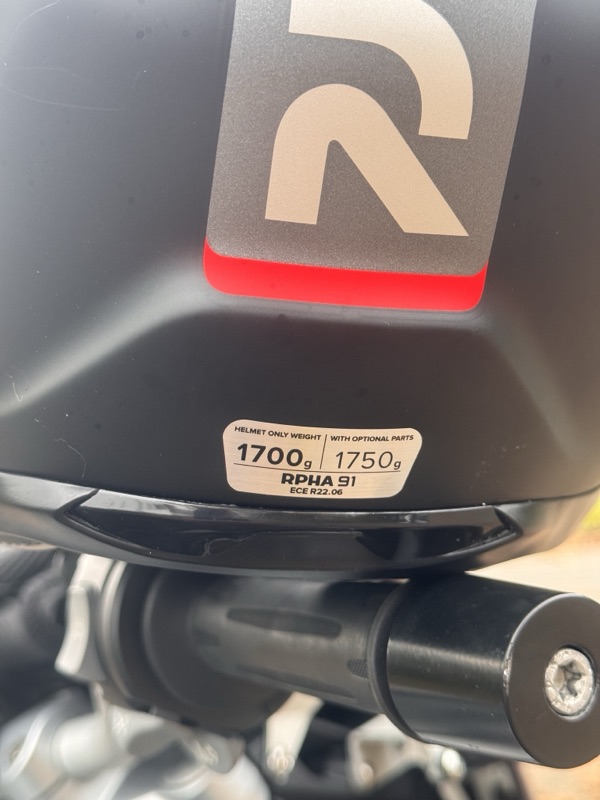
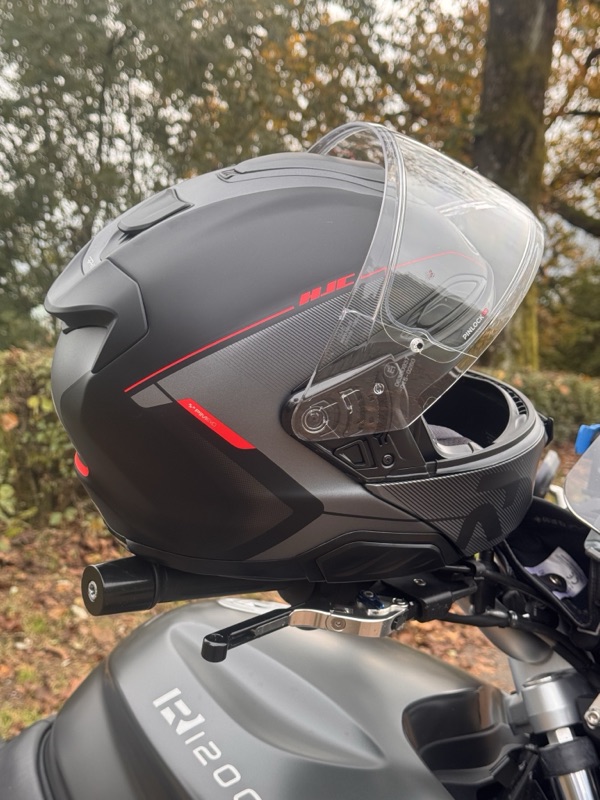
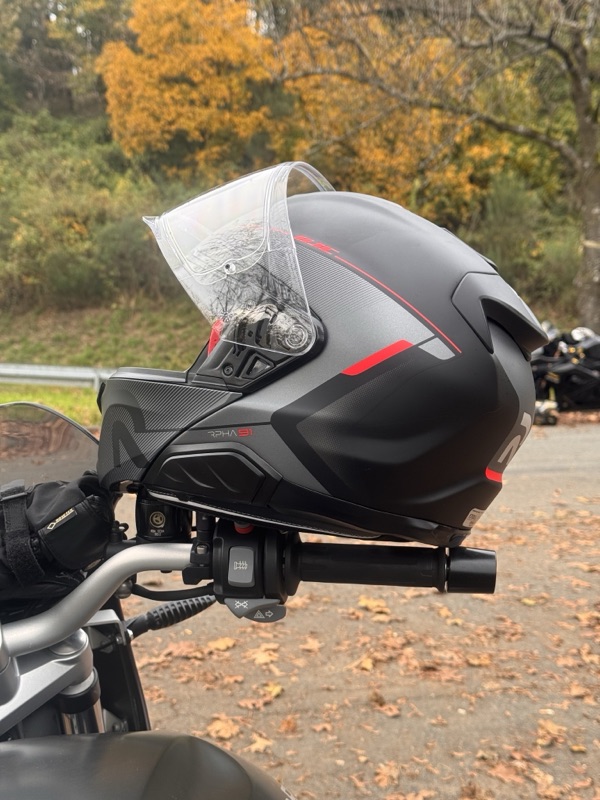
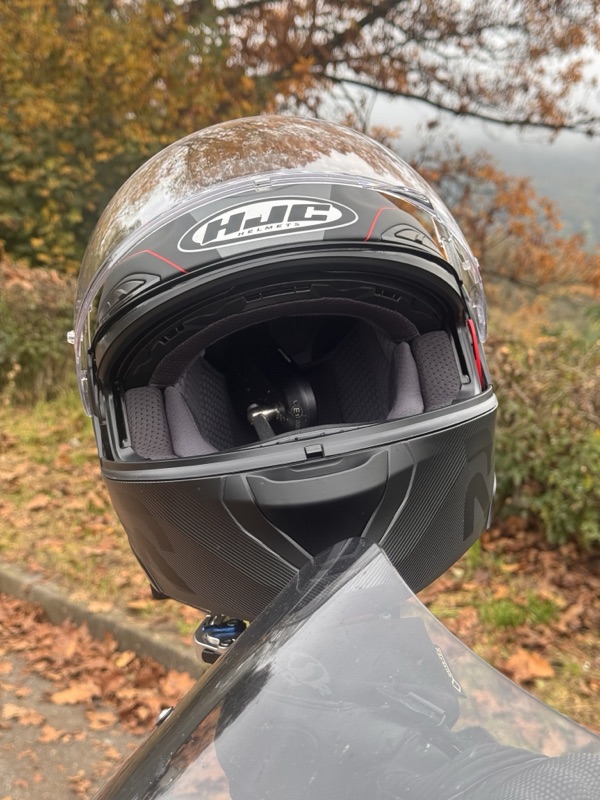
Für den Test erhielten wir diesmal von HJC den 91ziger in der sehr schicken COMBAST-Ausführung Größe (M 57/58). Das Design enthält in dieser Ausführung verschiedene Grautöne mit roten Zierstreifen und wirkt dadurch insgesamt sehr sportlich für einen Klapphelm. Auf die Kommunikationssysteme von Sena (SMART HJC 11B, 21B & 50B Bluetooth) haben wir erneut verzichtet. Diese leider veralteten Varianten haben unserer Meinung nach insgesamt zu wenig Performance im Gegensatz zum Cardo EDGE, sind aber leider immer noch die von HJC bevorzugten Modelle. Im Gegensatz zum 90S, der noch nach der alten Norm geprüft wurde, hat der RPHA 91 nun für die Befestigung der COM-Systeme Klappen (rechts und links), die man entfernen muss, um die Sena-Systeme einzuklicken. Das Cardo EDGE mussten wir wie schon gewohnt etwas anders befestigen. Die 22.06. Prüfnorm sorgt weiterhin dafür, dass das Gewicht von ehemals 1600 Gramm auf 1700 bzw. 1750 Gramm mit Anbauteilen gestiegen ist. Auch die äußere Form hat sich gegenüber dem alten Modell mit der neuen Helmschale verändert. Der neue Helm ist insgesamt größer aber gleichzeitig auch flacher geworden, da sich das Kinnteil nicht mehr ganz so weit öffnen lässt wie früher.
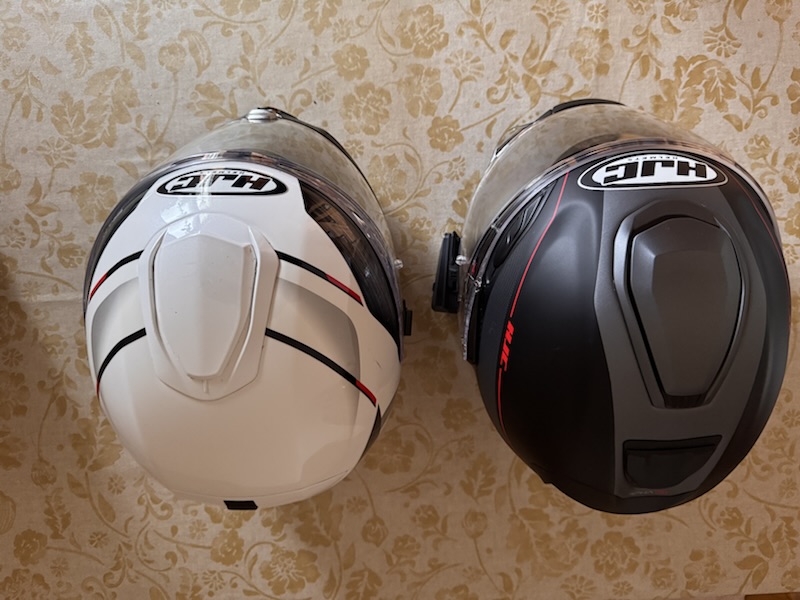
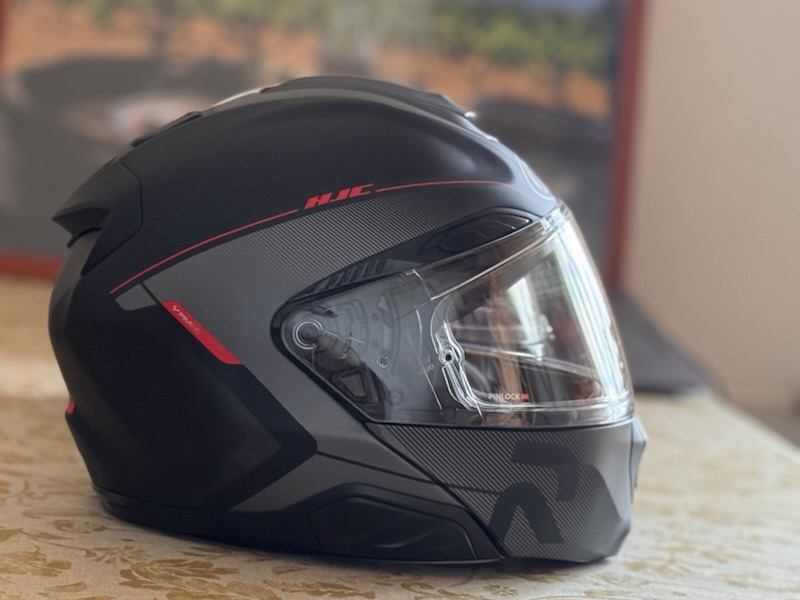
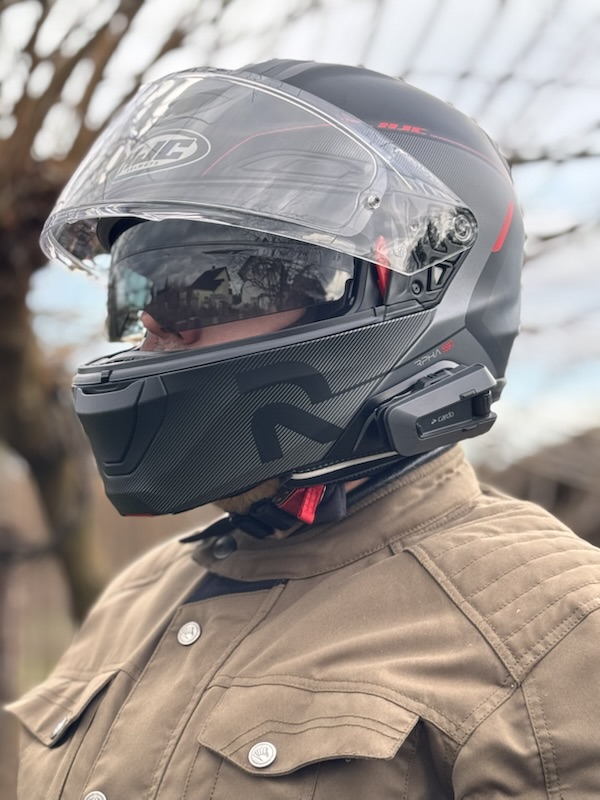
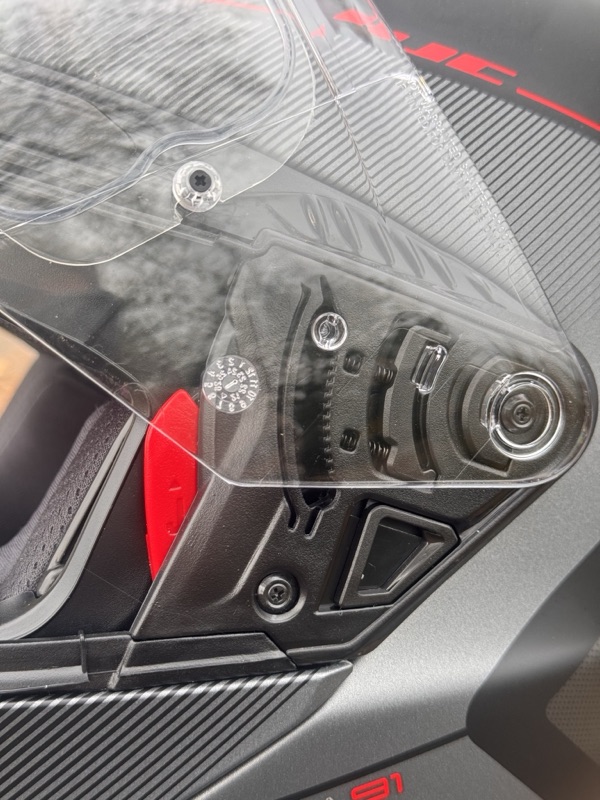
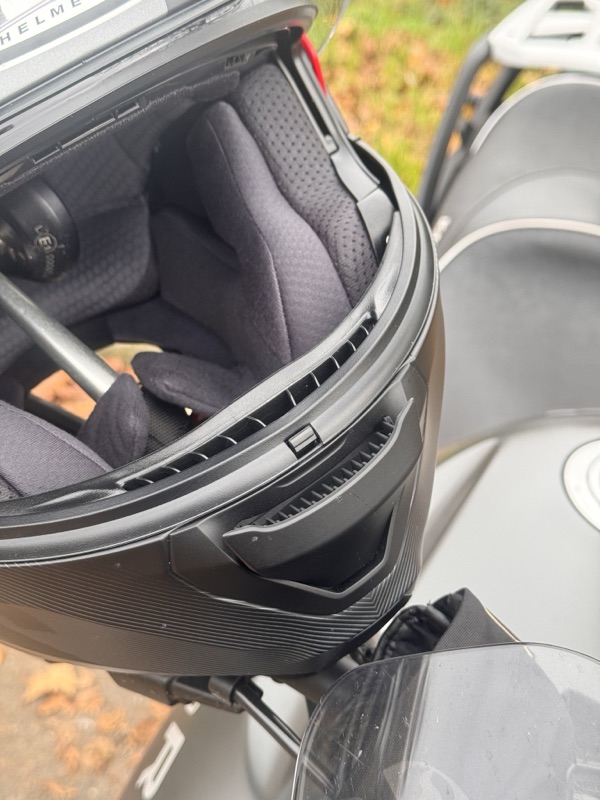
Die Verarbeitung aller Komponenten ist nach wie vor auf sehr hohem Niveau. Und auch wenn wir beim 91er manchmal die Metalllasche zum Öffnen des Visiers vermisst haben (sah eben schick aus), ist das neue Visier vom Sichtfeld her ein ganzes Stück größer und die Montage des Pinlockvisieres einfach viel besser gelöst. Es unten am Hauptvisier mit einer Kante zu fixieren, damit es nicht wie beim alten Modell verrutscht, ist äußerst sinnvoll und schont auf Dauer den Geldbeutel. Was wir uns beim Visier allerdings noch wünschen würde, wäre eine etwas festere Rastung und eine Belüftungsposition im unteren Bereich. Doch nicht dass ihr jetzt denkt, dass der Helm eine schlechte Belüftung hat. Die jetzt in 2 Stufen klappbare Kinnbelüftung in Verbindung mit der großen Kopfbelüftung und den beiden kleinen seitlichen Belüftungsstreifen links und rechts oberhalb des Visieres ist hervorragend. Zusammen mit den Entlüftungen am Hinterkopf kommt der HJC so auf insgesamt 12 Öffnungen, die den Kopf ausreichend mit Frischluft versorgen. Das ist viel und liegt über dem Standard am Markt.
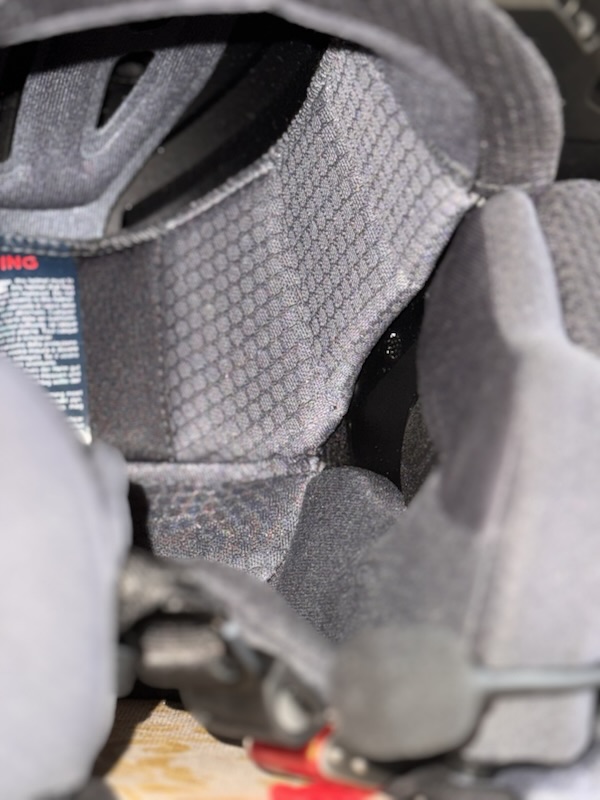
Weitere Neuerungen gab es beim HJC RPHA 91 im Gegensatz zum 90S unter anderem auch noch ein weiteres Mal im Kinnbereich. Durch die geänderte Form der Schale ist der Kinnschutz größer geworden und klappt nun beim Öffnen leicht nach unten hin mit aus. Auch im restlichen Einstiegsbereich wurde der Noise-Kragen nochmals überarbeitet und verbessert. Das Innenfutter fühlt sich wie immer bei HJC sehr angenehm an und ist noch flauschiger als bei den Vorgängermodellen. Selbstverständlich ist es antibakteriell, herausnehmbar und waschbar. Wie schon die Vorgänger hat auch der 91er die Zulassung als Integral- und auch als Jethelm (P/J-Zulassung). Die Jethelmfunktion wird beim 91er jedoch aufgrund der neuen Normung noch einmal zusätzlich über einen manuellen Mechanismus auf der linken Seite verriegelt. Für uns als Tourenfahrer ist die offene Variante zwar ein nettes nice to have, aber auf Dauer haben wir sie bisher tatsächlich nicht genutzt.
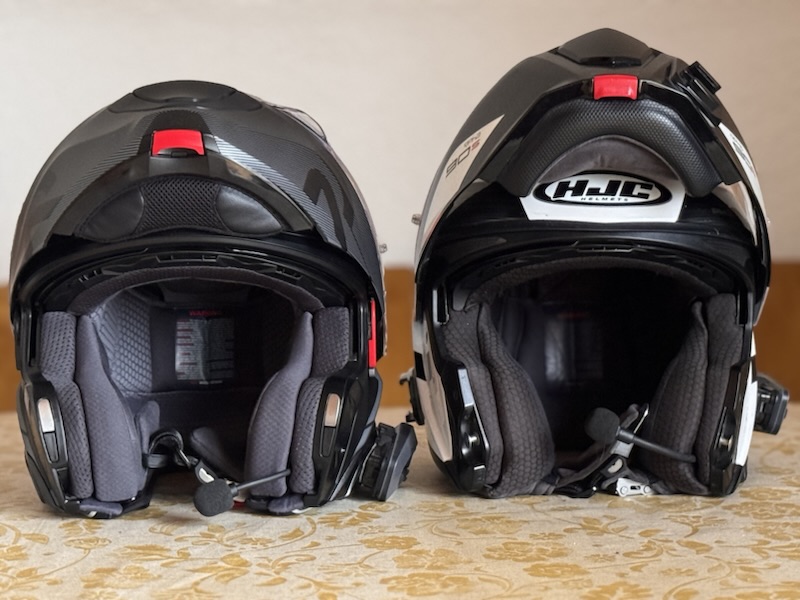
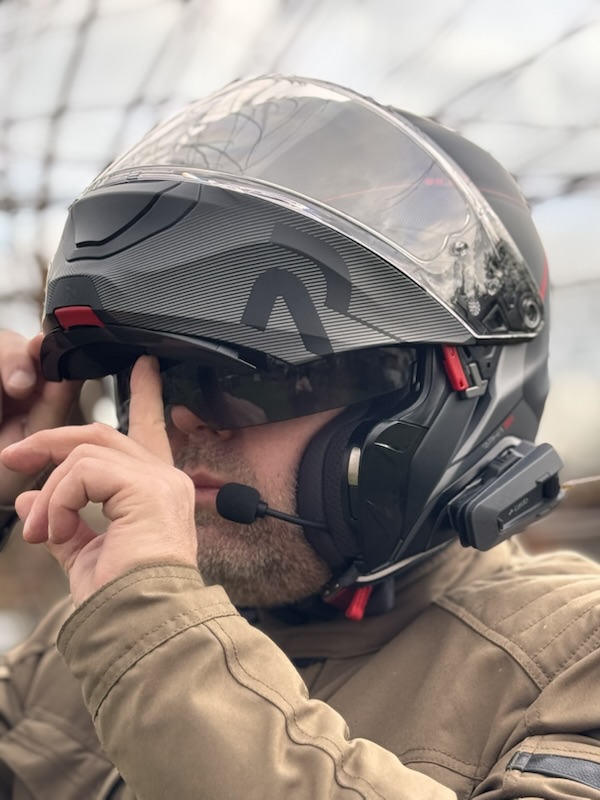
Was die Größen des neuen HJC RPHA 91 betrifft, so geht er grundsätzlich mal von XS bis 2 XL. Grundsätzlich deshalb, weil durch den Austausch der Polsterung im Inneren noch einmal individuelle Anpassungen vorgenommen werden können. Hier werden unter Umständen auch Kopfformen bedient, denen bisher HJC-Helme nicht so gut gepasst haben. Die Außenschale besteht im Übrigen aus hochwertiger integrierter Matrix / P.I.M EVO: Verstärkungsmaterialien, darunter versteht man bei HJC Carbon-Aramid-Hybride und Naturfasern. Sie sorgen für eine verbesserte Schlagfestigkeit, mehr Komfort und trotz 100g mehr Gewicht gegenüber dem Vorgänger für die Leichtigkeit und Balance des Helmes.
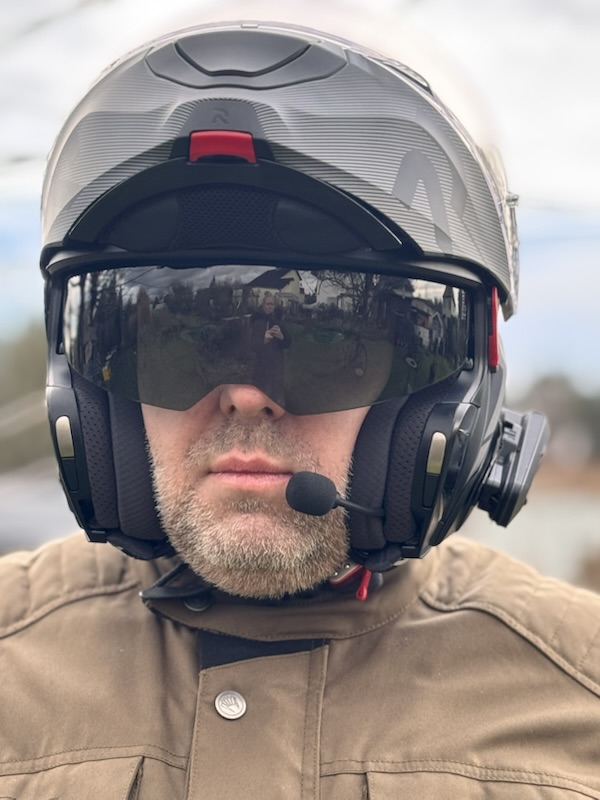
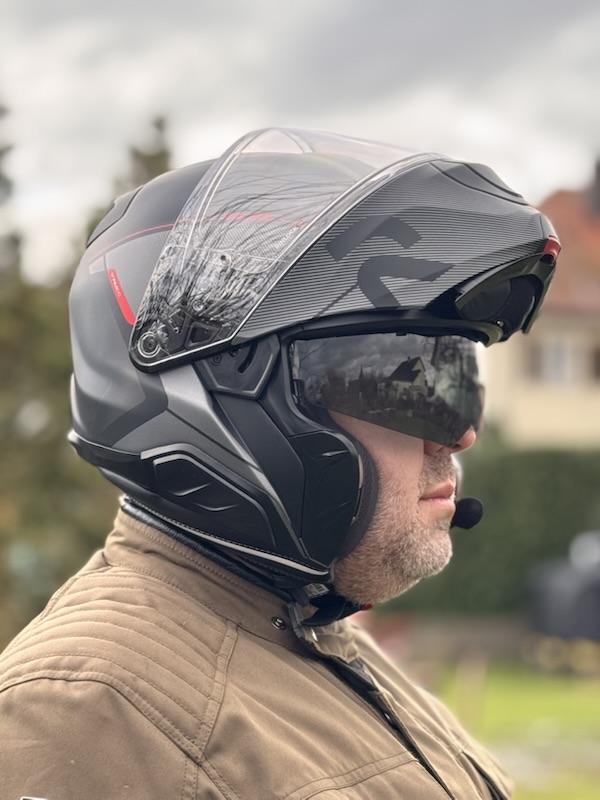
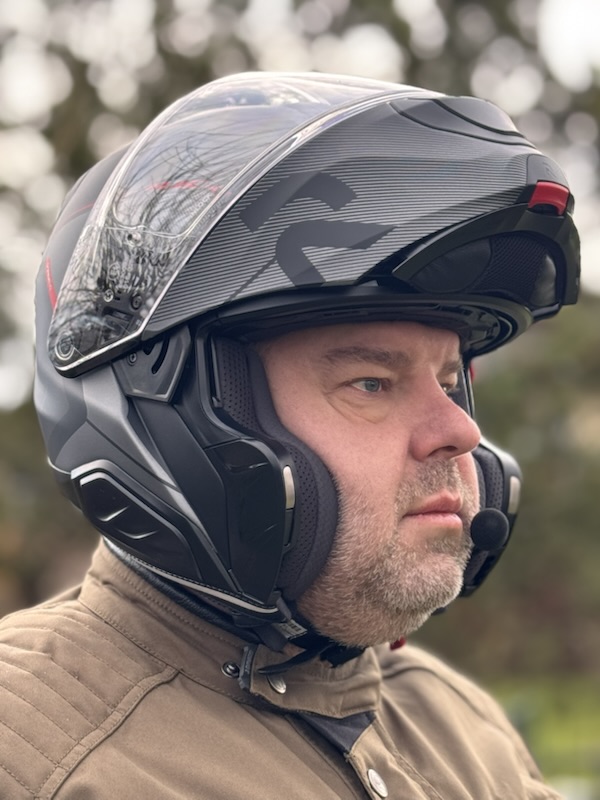
Der Ratschenverschluß aus Metall, die Einhandbedienung des Kinnteils und auch des Sonnenvisiers funktionieren weiterhin wie beim RPHA 90 und 90S ausgezeichnet und sind auch mit dicken Handschuhen sehr gut zu bedienen. Das Visier rastet wie beim Vorgänger unten ein und macht den Helm dicht. Außerdem lässt sich das integrierte Sonnenvisier nun praktisch an jede Nase anpassen, da es in der Entfernung zu den Augen verstellbar konstruiert worden ist (Dynamic Multi-Step Position).
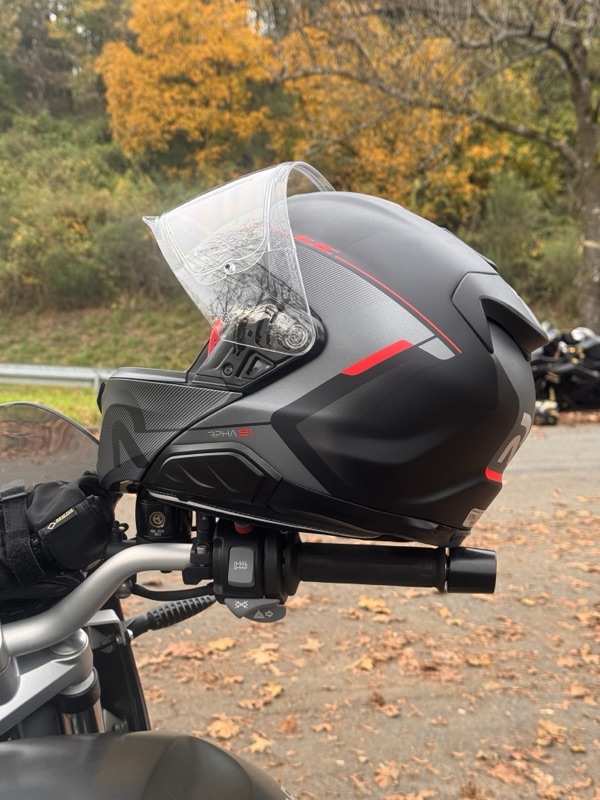
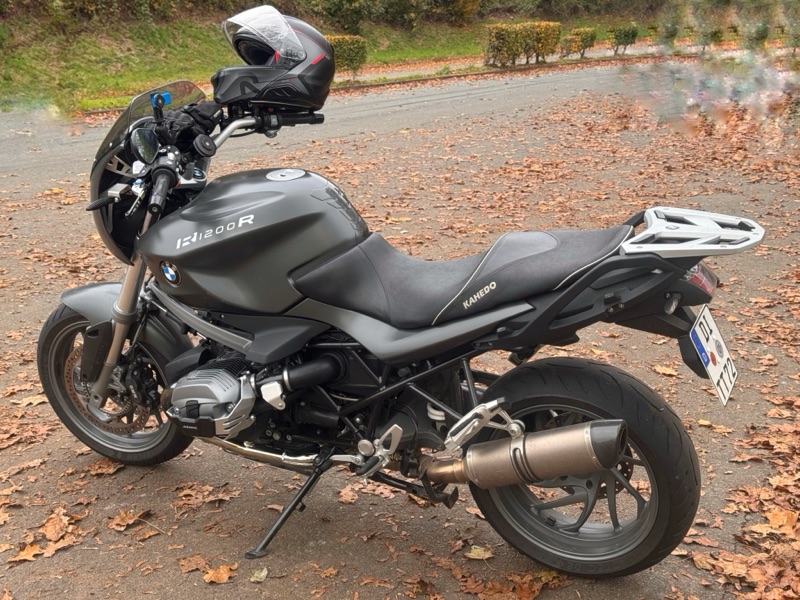
Zu guter Letzte steht noch die Frage im Raum wie er sich denn fährt. Die Geräuschdämmung ist wie gewohnt auf höchstem Niveau (wir kennen es nicht anders), denn sowohl bei unseren Naked Bikes als auch bei der R1200R mit Verkleidung, die immer mal Geräusche Verursacht und Wirbel erzeugt, gleitet man einfach sehr leise dahin.
Fazit
Alles in allem hat HJC seine RPHA-Serie erneut aufgewertet und den RAPH 91 noch einmal verbessert. Denn obwohl der Neue schwerer ist als das alte Modell, ist er sehr gut ausbalanciert und man merkt das Mehrgewicht nicht wirklich. Auch im Bereich der Belüftung hat HJC noch einmal richtig zugelegt und sowohl die Belüftung als auch die Entlüftung sehr gut optimiert. Jetzt könnte man sich noch an der Visierverriegelung aufhängen, aber der Vorteil des neuen Visiers liegt im Inneren und in der besseren Montagemöglichkeit des Pinlockvisieres sowie dem breiteren Sichtfeld. Für uns ist es nach dem RPHA 90S ein toller neuer Tourenhelm, der gerade auch wenn man Brillenträger ist, jede Menge Passkomfort bietet. Die Preise beginnen bei 549€ für die einfarbigen Varianten, gehen über 629€ für den von uns gefahrenen COMBAST und die anderen Designs und enden in der Carbonversion bei 779€ auf der Homepage des Herstellers.
Für die RPHA-Serie gilt weiterhin eine Garantie von bis zu 5 Jahren ab Kaufdatum oder 7 Jahren ab Herstellungsdatum (je nachdem, was zuerst eintritt).
In diesem Sinne viel Spaß beim Selbsttest und der eigenen ER-fahrung euer
Torsten Thimm
HJC RPHA 91 Generation next
With the RPHA 90 series, HJC has shown a really good hand in recent years. Read the following text to find out whether the new generation of the RPHA 91 can keep up the good work. In any case, one thing is already clear: a lot has changed.
The HJC 91 in the test
For this test, we received the 91 from HJC in the very stylish COMBAST size (M 57/58). The design in this version contains various shades of grey with red decorative stripes, giving it a very sporty look for a flip-up helmet. We have again dispensed with the communication systems from Sena (SMART HJC 11B, 21B & 50B Bluetooth). In our opinion, these unfortunately outdated variants have too little performance overall compared to the Cardo EDGE, but are unfortunately still the models favoured by HJC. In contrast to the 90S, which was still tested according to the old standard, the RPHA 91 now has flaps (right and left) for attaching the COM systems, which have to be removed in order to click in the Sena systems. As usual, we had to attach the Cardo EDGE in a slightly different way. The 22.06. test standard also means that the weight has increased from the previous 1600 grams to 1700 or 1750 grams with attachments.The outer shape has also changed compared to the old model with the new helmet shell. The new helmet is larger overall but also flatter, as the chin section can no longer be opened quite as wide as before.
The workmanship of all components is still of a very high standard. And even though we sometimes missed the metal tab for opening the visor on the 91 (it just looked smart), the new visor is a whole lot bigger in terms of the field of vision and the pinlock visor is simply a much better solution. Fixing it to the bottom of the main visor with an edge so that it doesn’t slip like the old model is extremely useful and easy on the wallet in the long run. What we would still like to see in the visor, however, would be a slightly firmer catch and a ventilation position in the lower area. But don’t go thinking that the helmet has poor ventilation. The chin ventilation, which can now be folded down in 2 stages, in conjunction with the large head ventilation and the two small side ventilation strips on the left and right above the visor is excellent. Together with the vents at the back of the head, the HJC has a total of 12 openings that provide the head with sufficient fresh air. That’s a lot and is above the market standard.
In contrast to the 90S, the HJC RPHA 91 has also seen further innovations in the chin area. Due to the modified shape of the shell, the chin guard has become larger and now folds out slightly downwards when opened. The noise collar has also been reworked and improved in the rest of the entry area. As always with HJC, the inner lining feels very comfortable and is even fluffier than in the previous models. It is, of course, antibacterial, removable and washable. Like its predecessors, the 91 is also approved as a full-face helmet and as a jet helmet (P/J approval). However, due to the new standardisation, the jet helmet function on the 91 is additionally locked via a manual mechanism on the left-hand side. For us as touring riders, the open version is a nice to have, but we haven’t actually used it in the long term.
As far as the sizes of the new HJC RPHA 91 are concerned, it basically ranges from XS to 2 XL. Basically because the padding on the inside can be exchanged to make individual adjustments. This may also suit head shapes that previously did not fit HJC helmets so well. Incidentally, the outer shell is made of high-quality integrated Matrix / P.I.M EVO: HJC uses carbon aramid hybrids and natural fibres as reinforcement materials. They ensure improved impact resistance, greater comfort and, despite weighing 100g more than its predecessor, the lightness and balance of the helmet.
The metal ratchet fastener, the one-handed operation of the chin section and also the sun visor continue to function excellently as with the RPHA 90 and 90S and are also very easy to operate with thick gloves. As with its predecessor, the visor locks into place at the bottom and seals the helmet. In addition, the integrated sun visor can now be adjusted to fit practically any nose, as it has been designed to be adjustable in the distance to the eyes (Dynamic Multi-Step Position).
Last but not least, there is the question of how it rides. As usual, the noise insulation is at the highest level (we don’t know any different), because both on our naked bikes and on the R1200R with fairing, which always causes noise and turbulence, you simply glide along very quietly.
Conclusion
All in all, HJC has once again upgraded its RPHA series and improved the RAPH 91 even further. Although the new model is heavier than the old one, it is very well balanced and you don’t really notice the extra weight. HJC has also really upped the ante in terms of ventilation and has optimised both the ventilation and the venting very well. The visor lock could still be a problem, but the advantage of the new visor lies on the inside and in the improved mounting options for the Pinlock visor as well as the wider field of vision. After the RPHA 90S, we think it’s a great new touring helmet that offers a great fit, especially if you wear glasses. Prices start at €549 for the single-colour versions, go up to €629 for the COMBAST we rode and the other designs and end at €779 for the carbon version on the manufacturer’s website.
The RPHA series comes with a warranty of up to 5 years from the date of purchase or 7 years from the date of manufacture (whichever comes first).
With this in mind, have fun with your self-test and your own ER experience!
Torsten Thimm


