


Sportliche Tourer sind nach wie vor eine Klasse für sich und gleichzeitig seit Jahrzehnten Motorräder, die uns auf unseren Touren rund um den Globus begleiten. Doch irgendwann wurde es ruhiger um die sportlichen Maschinen, denn die größeren Tourer und vor allem die aufkommenden SUV-Maschinen der Hersteller a la S1000XR oder Kawasaki Versys 1000 rückten wegen ihrer höheren Flexibilität in den Fokus der Kundschaft. Ob das vielleicht auch am Altersdurchschnitt der Fahrer liegt und daran, dass die meist älteren Knochen eben einfach nicht mehr so krumm sitzen möchten wie früher, kann man nur vermuten, aber dennoch nicht genau sagen. Jedenfalls sind derzeit nicht mehr allzu viele Hersteller am Markt, die noch reine Sporttourer anbieten. BMW gehört mit der schicken R1250RS dazu, Suzuki mit der grandiosen GSX1000 S GT und Kawasaki mit der Ninja 1000 SX.
Doch haben diese Maschinen in Zukunft überhaupt noch eine reelle Chance auf dem Markt?
Auf dem Weg zum und um den Gardasee konnte ich das ausgiebig testen und gebe hier eine Antwort auf diese Frage.


BMW R1250 RS
Es ist ein sonniger Morgen Mitte Mai, die Autobahn liegt hinter mir, als ich die Maschine bei BMW in Garching in Empfang nehme. Die Vollausstattung ist bei diesen Pressefahrzeugen meist üblich und treibt den Preis von ursprünglich 15.990 Euro in der Basis leicht auf über 20.000 Euro. Dafür bekommt man einen Luxus-Sporttourer, der es im wahrsten Sinne des Wortes in sich hat. 1254 ccm, 136 satte Boxer-PS, 143 Nm Drehmoment bei 6250 Umdrehungen verteilt auf 243 kg fahrfertig. Insgesamt darf sie 460 kg transportieren und kommt mit ihrem 18-Liter-Tank über 350 Kilometer weit, bei einem Verbrauch von 4,5 – 4,7 Litern im ER-Fahrbetrieb. Für mich sind das definitiv Rumpfdaten, die nach viel Spaß und der berühmten markeneigenen Freude am Fahren klingen. Die Sitzposition ist dabei auf den ersten Blick entspannt und so lassen sich auch die nächsten Kilometer der Kennenlernphase durch die bayerische Landschaft fahren.


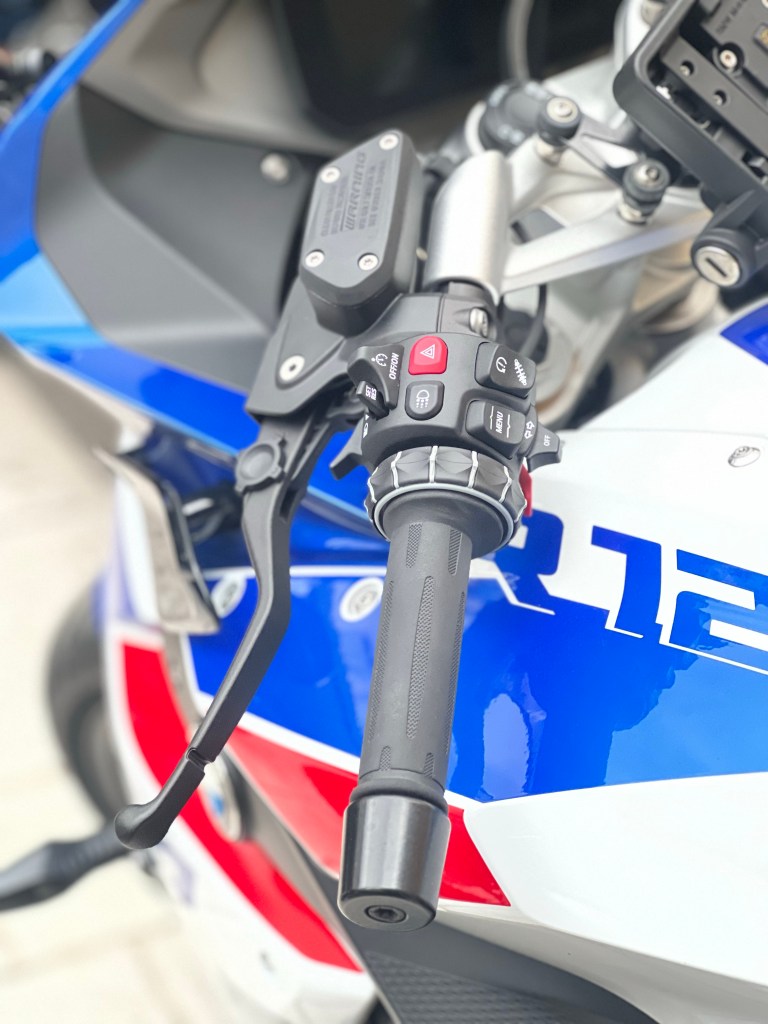
Auffällig ist die Leichtgängigkeit der RS, aber zugleich auch die montierten Lenkerhälften. Auf den zweiten Blick sind diese für meine Körpergröße von 172 cm und meinen männlichen Körperbau in der Mitte leider ca. 2,5 – 3,0 cm zu weit vorne. Das führt unweigerlich zu Verspannungen im Rücken und in den Schultern und zu einem Kribbeln in den Händen. Nicht wirklich schlimm, aber doch spürbar. Abhilfe könnte der als Zubehör erhältliche Rohrlenker schaffen, der weiter hinten montiert werden kann. Und wenn wir schon beim Meckern sind, die montierte Scheibe sieht in der dunklen Tönung wirklich sehr gut aus, bietet aber leider in beiden verstellbaren Positionen ab ca. 100 km/h vor allem eins, pfeifende Windgeräusche an der Abrisskante zum Helm. Abhilfe wird aber auch hier intern angeboten, denn dieser Zustand hat auch eindeutig mit meiner Körpergröße und der Sitzposition zu tun. An sich ist die insgesamt gesehen neben den beiden Punkten wirklich perfekt und sehr reisetauglich. Zusätzlich zu anderen Sitzkissen und Scheiben bietet BMW noch verstellbare Fußrasten und an, die das Motorrad so für verschiedene Körpergrößen nutzbar machen.

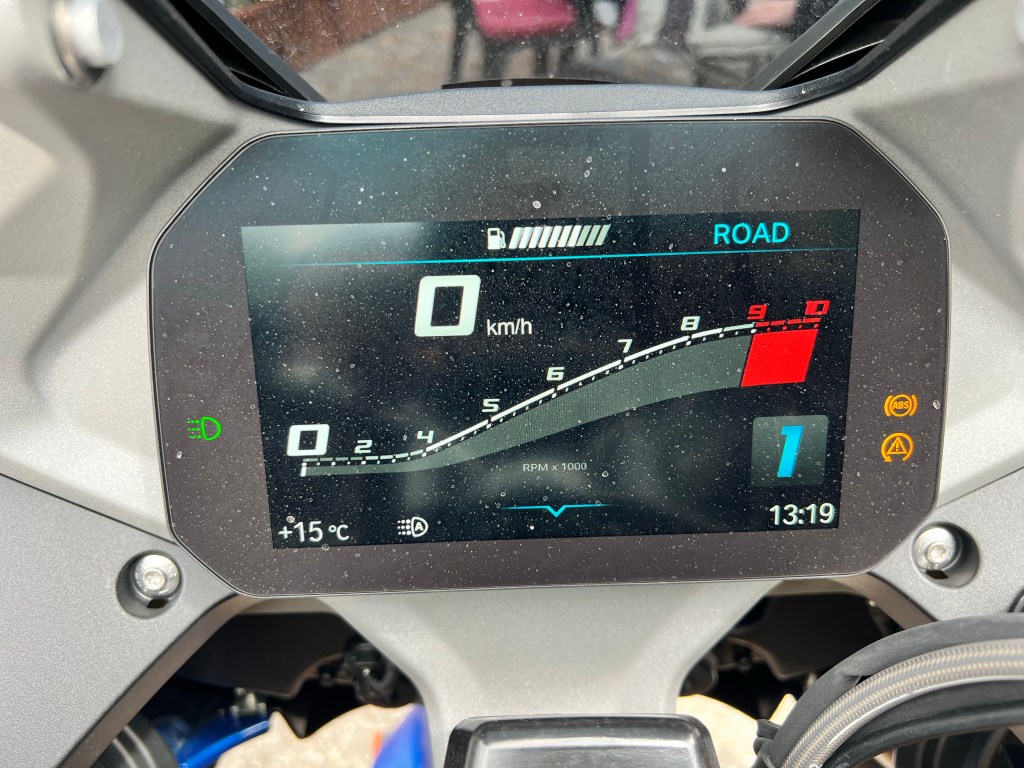
Auf dem Weg zum Gardasee jedenfalls lebt der Boxer auf, denn aus dem Keller einen Pass hinauf und durch Spitzkehren brummen, das liegt ihm einfach. Ein willkommenes Feature ist der eingebaute Schaltassistent, der allerdings nicht ganz so geschmeidig arbeitet wie bei Suzukis S1000GT. Das heißt, man muss ab und zu etwas nachziehen oder drücken. Dafür lässt die Bremse keine Wünsche offen und verzögert bei Bedarf zusätzlich auch mit Kurven-ABS. Sicherheit wird bei der RS also großgeschrieben, was auch die eingebaute Traktionskontrolle und die vier Fahrmodi zeigen. Letztere arbeiten von dynamisch (Dynamic, Road, Rain und ECO) bis ultrasanft und sind wie gewohnt gut auf den Einsatzzweck abgestimmt. Wobei ECO, wenn man vorher Dynamic gewählt hatte, schon deutlich spürbar die Leistung zurücknimmt.
Zudem glänzt die BMW mit geradezu fulminanter Leistung in Sachen weitere Ausstattung. Die linke Lenkerarmatur und das 6,5″ große TFT-Farbdisplay sprechen da wahre Bände. Denn natürlich gibt es die volle BMW-eigene Connectvity, plus Tempomat, Heizgriffe, elektronische Fahrwerksverstellung und und und. Um herauszufinden was alles möglich ist waren die drei gemeinsamen Tage mit ihr definitiv zu kurz, denn der Focus für uns lag natürlich auf dem Motorrad fahren. Technik Begeisterte werden allerdings vor Freude frohlocken und sich ebenso freudig in die virtuelle Welt der Bits und Bytes ihrer BMW einfinden, das ist klar.


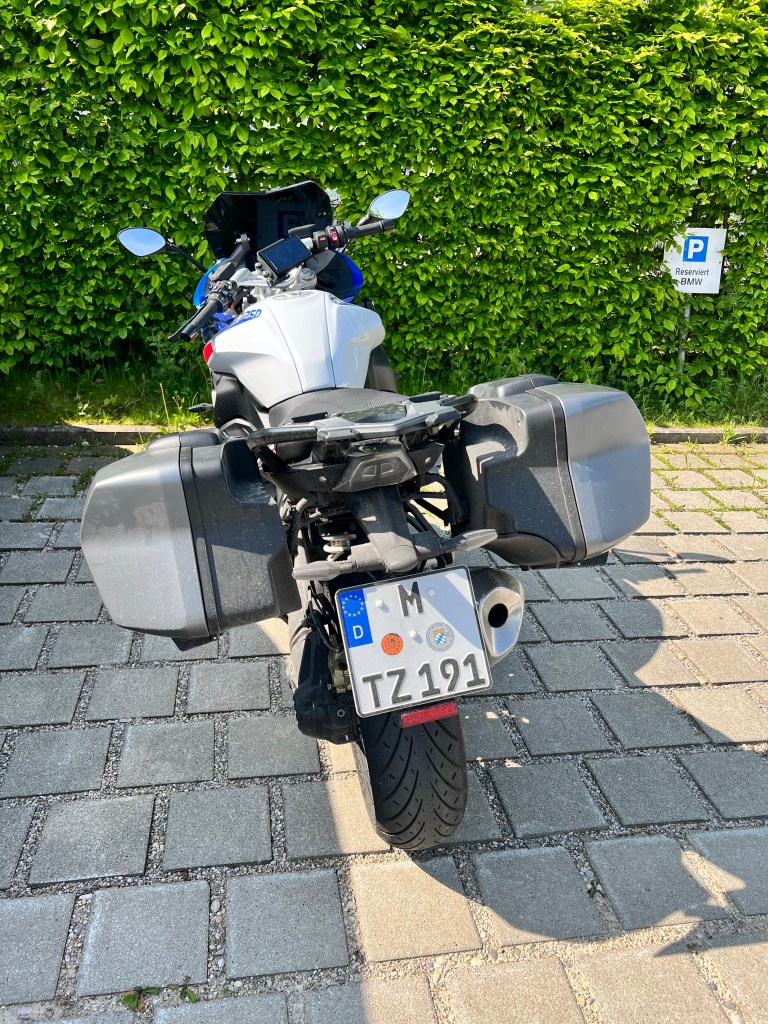
Nach dem eng geschnittenen Monte Velo sind wir an diesem Mittag jedenfalls in Arco gelandet. Motorrad abstellen, Knöpfchen drücken, Keyless Go hat schon manchmal seine Vorteile, auch wenn man danach zum Öffnen der Seitenkoffer immer noch den Schlüssel benötigt. Die Koffer wirken zunächst klein, aber zu meiner Überraschung schlucken Beide einen kompletten Helm und während der Reise reichlich Gepäck. Ergänzt wäre das Ganze bei Bedarf noch mit einem Topcase, doch das wäre für den aktuellen Tripp eindeutig zu viel des Guten gewesen. Auch das Eis in Arco war an diesem Tag super lecker und zu viel, aber Urlaub ist ja auch zum Genießen da und so genossen wir später am Tag die Rückfahrt entlang der Westuferstraße nach Malcesine mit dem angenehm sonoren Klang des Boxermotors unter mir und dem See zur Rechten.
Fazit
Die BMW R1250RS ist ein rundum gelungener Sporttourer mit eigenem Charakter und wenig Kritikpunkten. Sie spielt von der Ausstattung und damit auch vom Preis her eindeutig in der Premiumliga. Dafür bekommt der Kunde aber auch eine ganze Menge geboten. Neben den vielfältigen und serienmäßigen Ausstattungsmerkmalen glänzt die Maschine mit jeder Menge Zubehör zur Individualisierung. Das kommt vor allem bei körperlich nicht ganz genormten Kunden gut an, denn die Möglichkeit, Lenker, Sitzpolster, Scheiben und sogar die Fußrasten anzupassen, öffnet die RS für die breite Masse der Kundschaft. Gleichzeitig sorgt die Variabilität für Bequemlichkeit und damit für einen hervorragenden Reisekomfort allein oder gerne auch zu zweit. Bei all dem hat man zudem das gute Gefühl, ein Motorrad zu fahren, das nicht wie eine GS an jeder Ecke steht und bei Bedarf auch mal das Messer zwischen die Zähne nehmen kann, wenn es schneller zur Sache gehen soll.
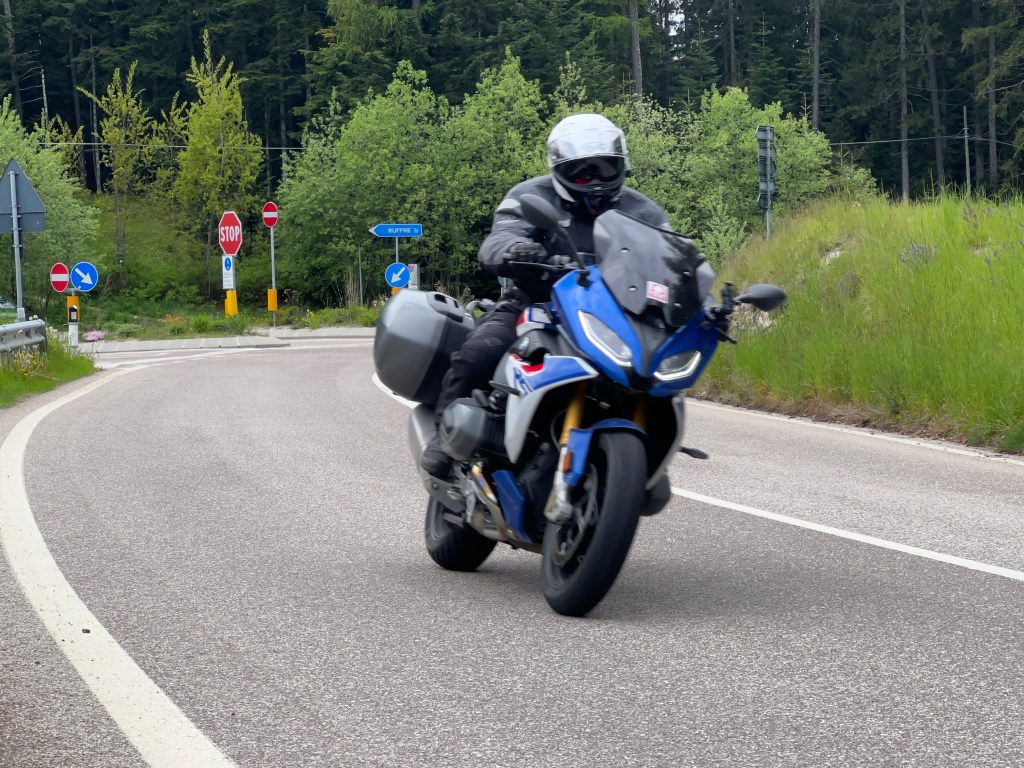
Um abschließend die Eingangsfrage zu beantworten: Ich bin der Meinung, dass Sporttourer bei all dem Gebotenen durchaus eine Zukunftschance haben, denn sie sind individuell nutzbar, haben jede Menge Spaßpotenzial und sind preislich eine interessante Alternative zu den Dickschiffen und SUV-Modellen. Außerdem passen sie perfekt zu nicht ganz so großen Menschen, die mit den anderen beiden Klassen in Sachen Handling und Höhe doch manchmal ihre Schwierigkeiten haben. In diesem Sinne: Make Life a Ride and Smile breit 😊.

Euer Torsten Thimm
First ride test BMW R1250RS
Sporty touring bikes are still in a class of their own and have accompanied us on our tours around the globe for decades. But at some point, the sporty machines became quieter, because the larger tourers and especially the emerging SUV machines of the manufacturers a la S1000XR or Kawasaki Versys 1000 moved into the focus of the clientele because of their higher flexibility. Whether this is also due to the average age of the riders and the fact that the mostly older bones simply don’t want to sit as slouched as they used to can only be assumed, but still can’t be said exactly. In any case, there are not too many manufacturers left on the market that still offer pure sports touring bikes. BMW is one of them with the chic R1250RS, Suzuki with the magnificent GSX1000 S GT and Kawasaki with the Ninja 1000 SX.
But will these machines have any real chance on the market in the future?
On the way to and around Lake Garda I was able to test this extensively and give an answer to this question here.
BMW R1250 RS
It’s a sunny morning in mid-May, the motorway is behind me when I pick up the bike at BMW in Garching. Full equipment is common on these press cars and easily pushes the price from the original 15,990 euros in the base to over 20,000 euros. In return, you get a luxury sports tourer that has it all in the truest sense of the word. 1254 cc, 136 whopping boxer horsepower, 143 Nm of torque at 6250 revs distributed over 243 kg ready to ride. It can carry a total of 460 kg and with its 18-litre tank it can travel over 350 kilometres, with a consumption of 4.5 – 4.7 litres in ER driving mode. For me, these are definitely hull data that sound like a lot of fun and the famous brand-own joy of riding. The seating position is relaxed at first glance, which makes it easy to ride the next few kilometres through the Bavarian countryside.
The ease of movement of the RS is striking, but so are the mounted handlebar halves. At second glance, they are unfortunately about 2.5 – 3.0 cm too far forward in the middle for my height of 172 cm and my male physique. This inevitably leads to tension in the back and shoulders and to tingling in the hands. Not really bad, but noticeable. The tubular handlebars, available as an accessory, which can be mounted further back, could provide a remedy. And while we’re on the subject of grumbling, the dark tint of the mounted screen really looks very good, but unfortunately in both adjustable positions from about 100 km/h onwards, it offers one thing above all: whistling wind noise at the tear-off edge to the helmet. However, a remedy is offered internally, because this condition is clearly related to my height and sitting position. All in all, apart from these two points, the seat is really perfect and very suitable for travelling. In addition to other seat cushions and discs, BMW also offers adjustable footrests and , which thus make the bike usable for different body sizes.
On the way to Lake Garda, the Boxer really comes to life, because coming out of the cellar, up a pass and humming through hairpin bends is just what it does. A welcome feature is the built-in shift assistant, which, however, does not work quite as smoothly as on Suzuki’s S1000GT. This means that you have to pull or push a little now and then. On the other hand, the brakes leave nothing to be desired and, if necessary, also decelerate with cornering ABS. Safety is a top priority on the RS, which is also reflected in the built-in traction control and the four riding modes. The latter work from dynamic (Dynamic, Road, Rain and ECO) to ultra-smooth and are, as usual, well matched to the intended use. Whereas ECO, if you had previously selected Dynamic, already noticeably reduces the power.
In addition, the BMW shines with almost fulminant performance in terms of further equipment. The left-hand handlebar control unit and the 6.5″ TFT colour display speak volumes. Of course, there is the full BMW connectivity, plus cruise control, heated grips, electronic suspension adjustment and much more. The three days we spent together with her were definitely too short to find out everything that is possible, because the focus for us was of course on riding the motorbike. Technology enthusiasts, however, will rejoice with joy and just as happily enter the virtual world of bits and bytes of their BMW, that’s for sure.
After the narrow Monte Velo, we landed in Arco at noon. Park the bike, press the button, keyless go sometimes has its advantages, even if you still need the key to open the side cases afterwards. The panniers seem small at first, but to my surprise they both swallow a complete helmet and plenty of luggage during the trip. If necessary, the whole thing could have been supplemented with a top case, but that would clearly have been too much of a good thing for the current trip. The ice cream in Arco was also super tasty and too much on this day, but holidays are there to be enjoyed and so later in the day we enjoyed the return journey along the west bank road to Malcesine with the pleasantly sonorous sound of the boxer engine below me and the lake to the right.
Conclusion
The BMW R1250RS is an all-round successful sports tourer with its own character and few points of criticism. In terms of equipment and price, it clearly plays in the premium league. But in return, the customer gets a lot. In addition to the wide range of standard features, the bike shines with plenty of accessories for customisation. This goes down particularly well with customers who are not quite physically standardised, because the possibility of customising handlebars, seat cushions, windows and even the footrests opens up the RS to the broad mass of customers. At the same time, the variability ensures comfort and thus excellent travelling comfort alone or, if you prefer, with two people. With all this, you also have the good feeling of riding a motorbike that doesn’t stand at every corner like a GS and can also take a knife between its teeth if necessary when things need to go faster.
Finally, to answer the initial question: I am of the opinion that sport-tourers definitely have a future, given all that is on offer, because they can be used individually, have a lot of fun potential and are an interesting alternative to the big ships and SUV models in terms of price. In addition, they are a perfect fit for people who are not quite so tall and who sometimes have difficulties with the other two classes in terms of handling and height. In this sense: Make Life a Ride and Smile Wide 😊.
Your Torsten Thimm


Hallo Torsten,
Stimme Deinem Bericht voll und ganz zu.Vielen Dank und weiterhin Spaß bei den Tests.
Grüße
Otto
LikeGefällt 1 Person
Danke Otto 🙏🙂
LikeLike